
Insights
Technical notes from the field
What we have written on aerial application, ecological restoration and water disinfection. Not marketing copy — answers to the questions that come up on site.
-
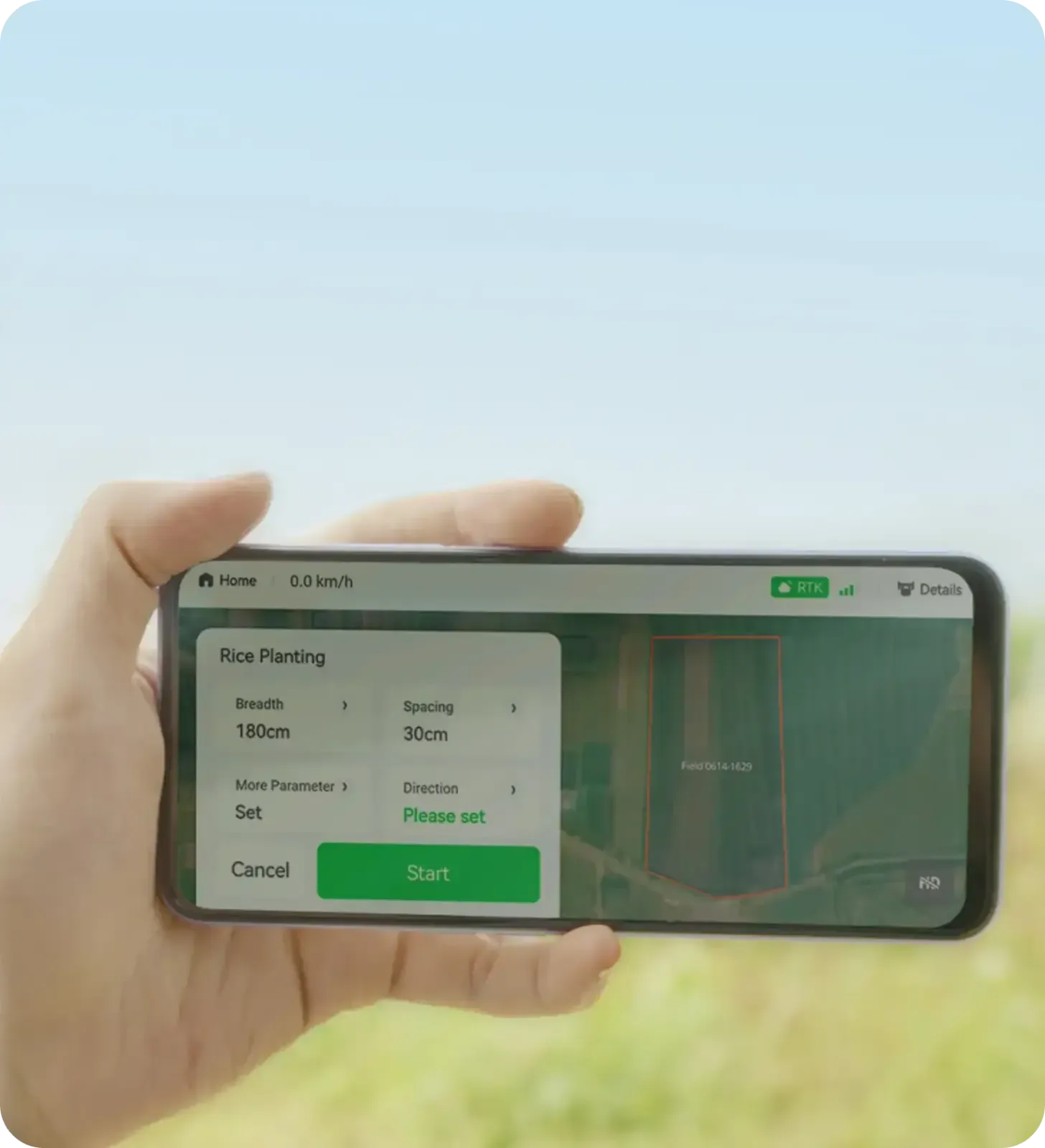
 Drone Technology for Small Farmers: Is It Worth the Investment? Is a drone worth it on a small farm? Savings in chemicals, time and labour, what precision farming brings, and the option of hiring a drone service instead of buying.
-
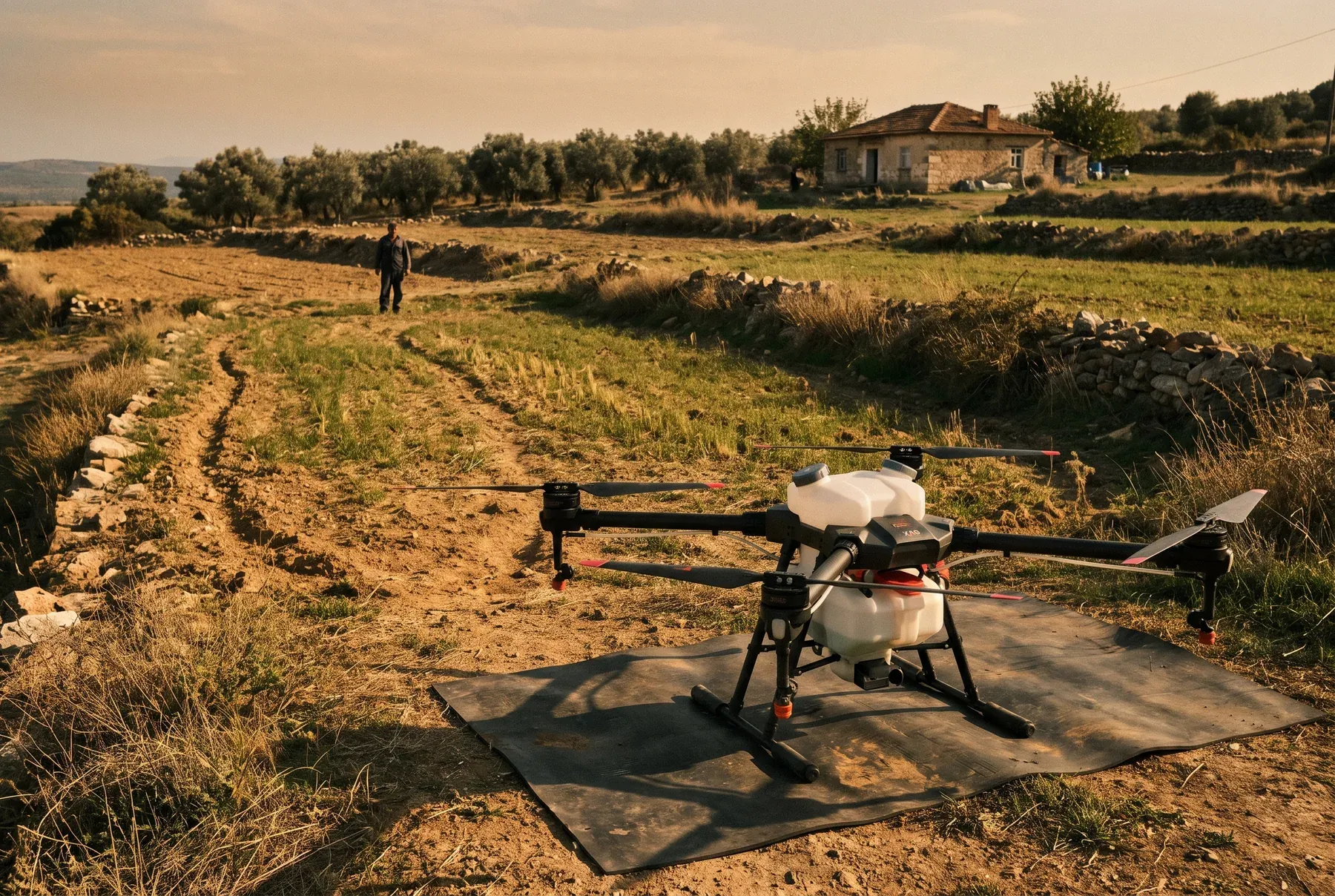
 The Advantages of Using Drones on Large-Scale Farms How drones cut spraying time, input waste and labour on large farms — from precision application and mapping to early disease detection.
-
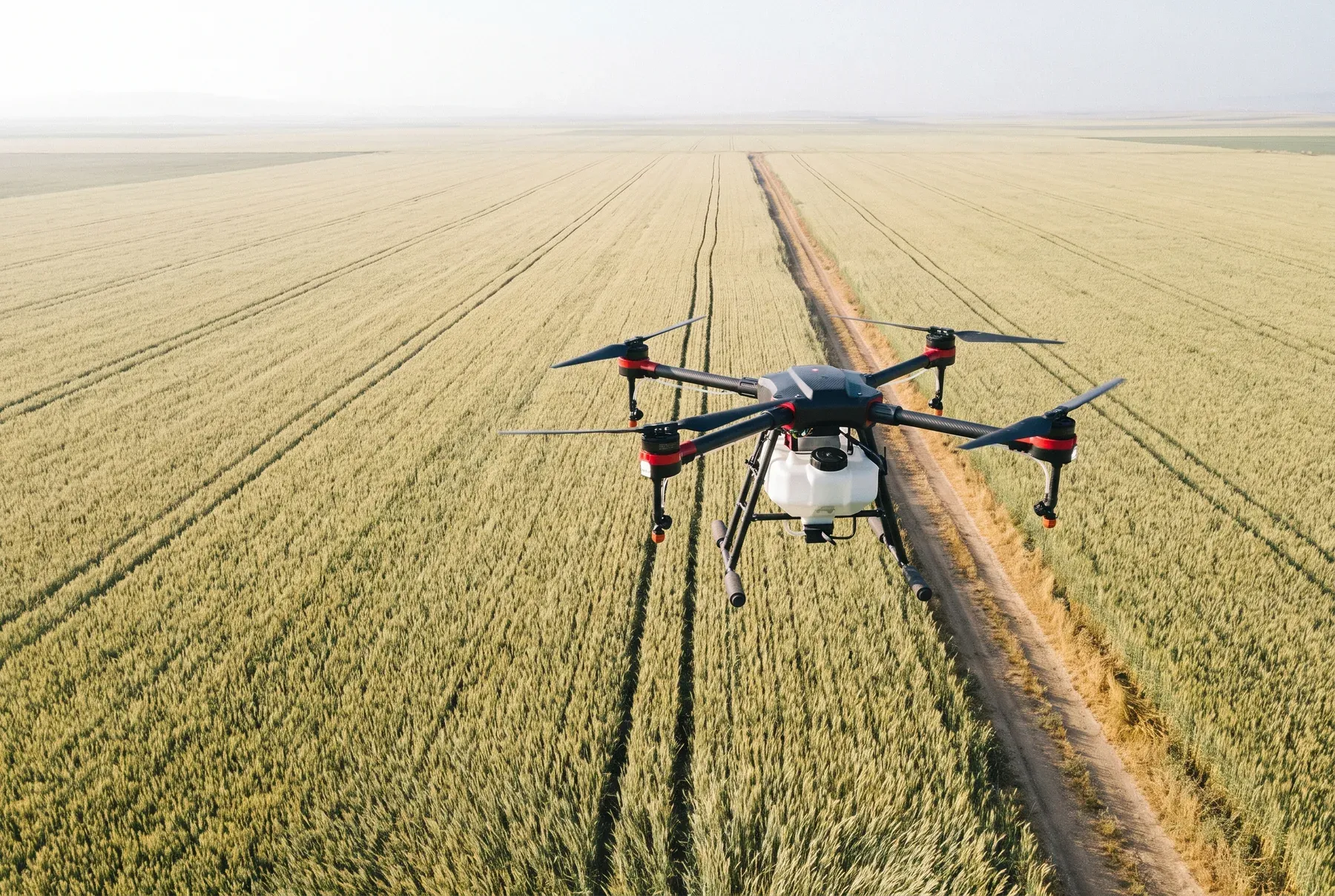
 What Sets XAG Drones Apart from Their Competitors? What distinguishes XAG agricultural drones: RTK centimetre accuracy, modular design, automated variable-rate spraying, autonomous flight and an integrated farm platform.
-
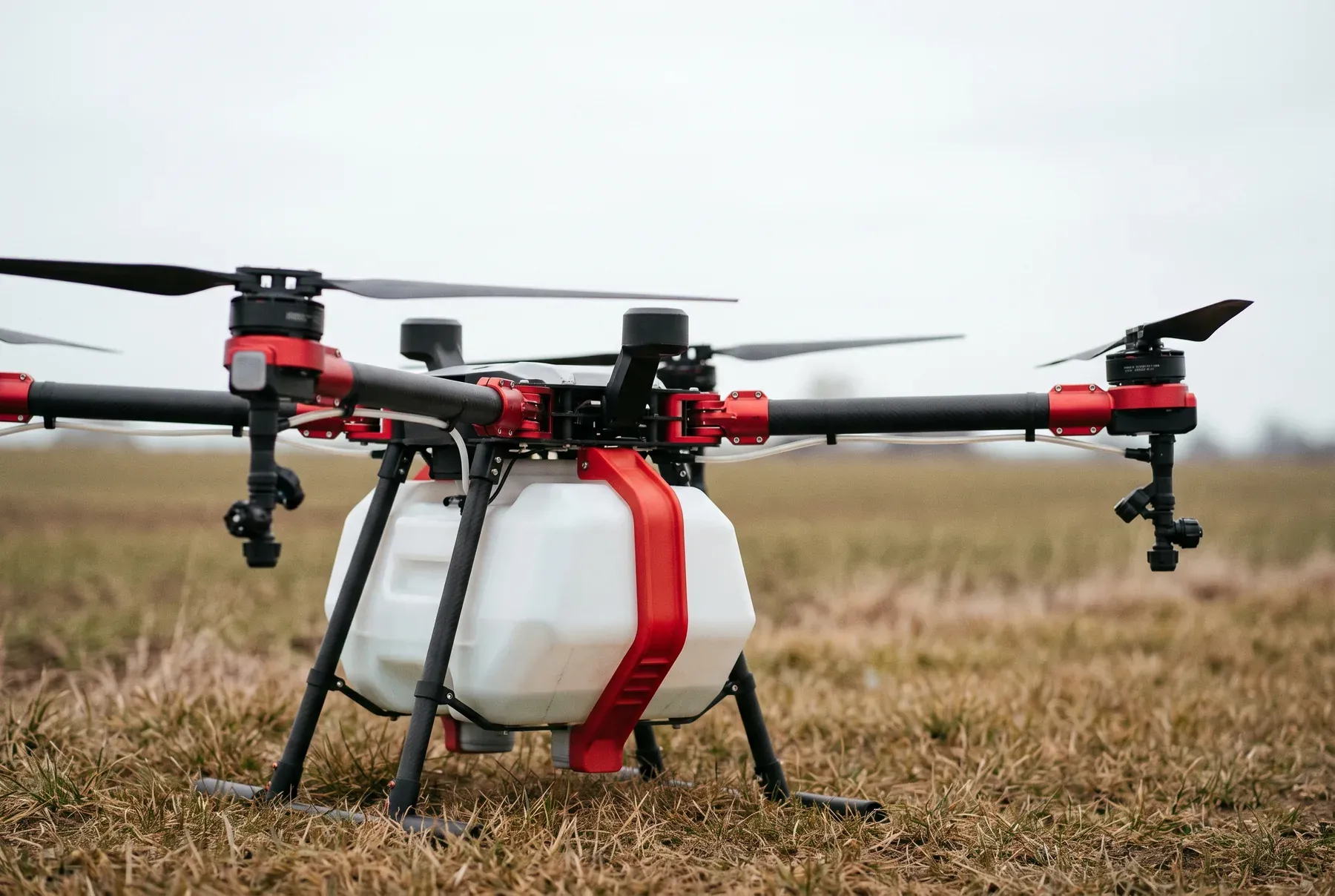
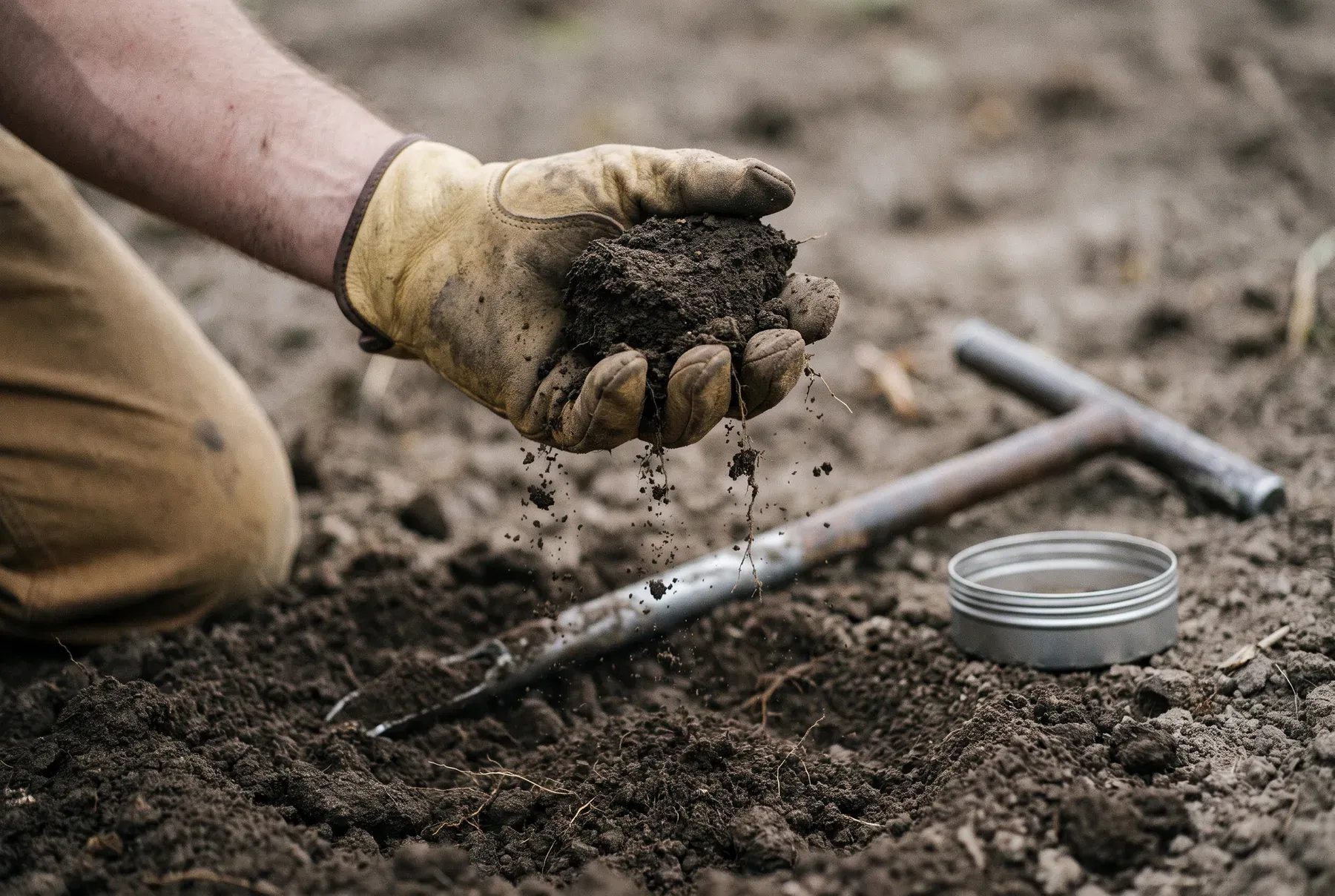 Soil Analysis by Drone: A New Way to Raise Farm Productivity Drone soil mapping reveals nutrient levels, moisture and erosion risk across the whole field — guiding precision fertilising and irrigation and protecting the land.
-
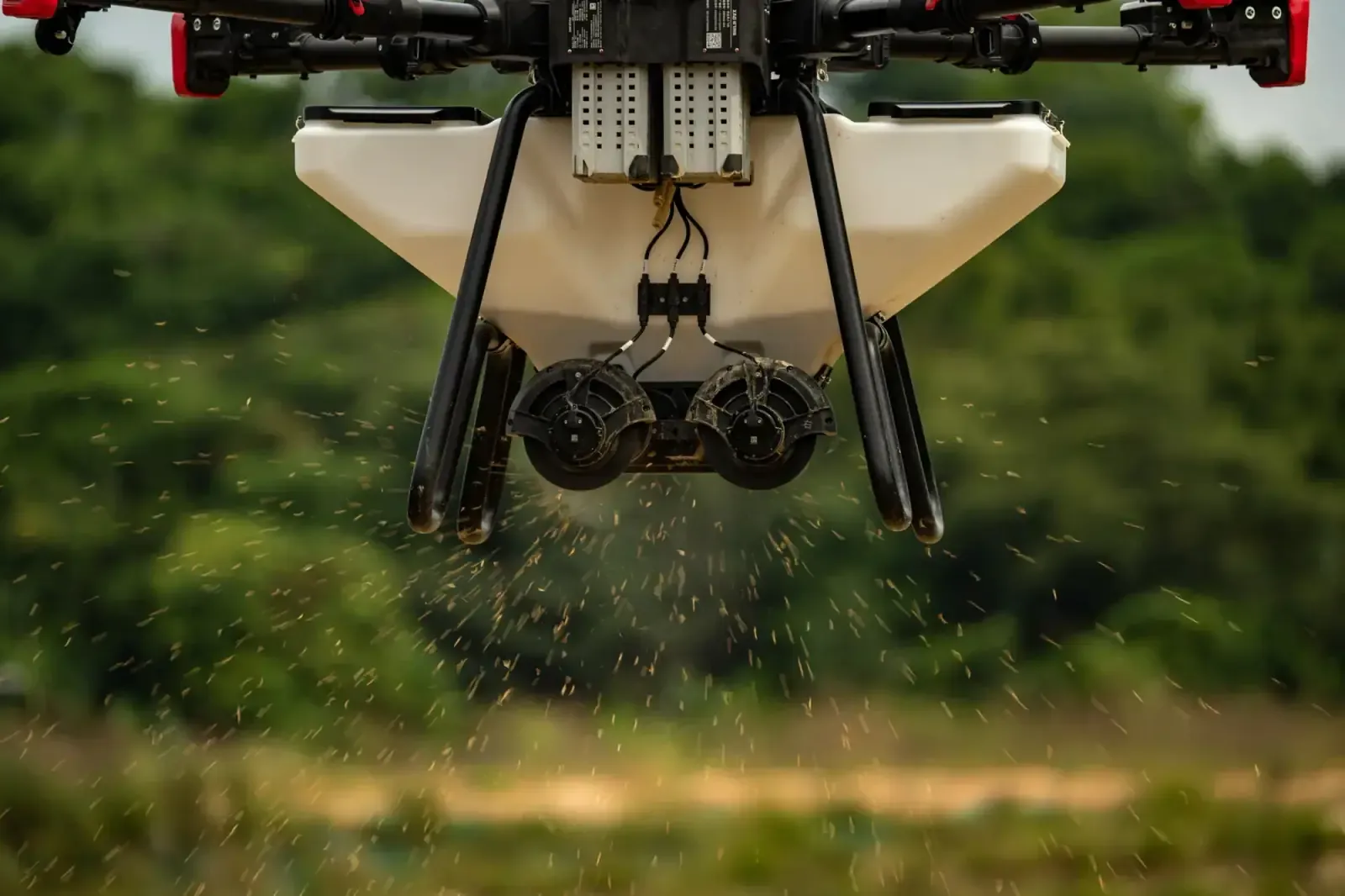 Precision Fertilising by Drone: The Right Amount, the Highest Yield Drone fertilising matches dose to what each part of the field needs — avoiding over- and under-feeding, cutting fertiliser use and protecting soil and water.
-
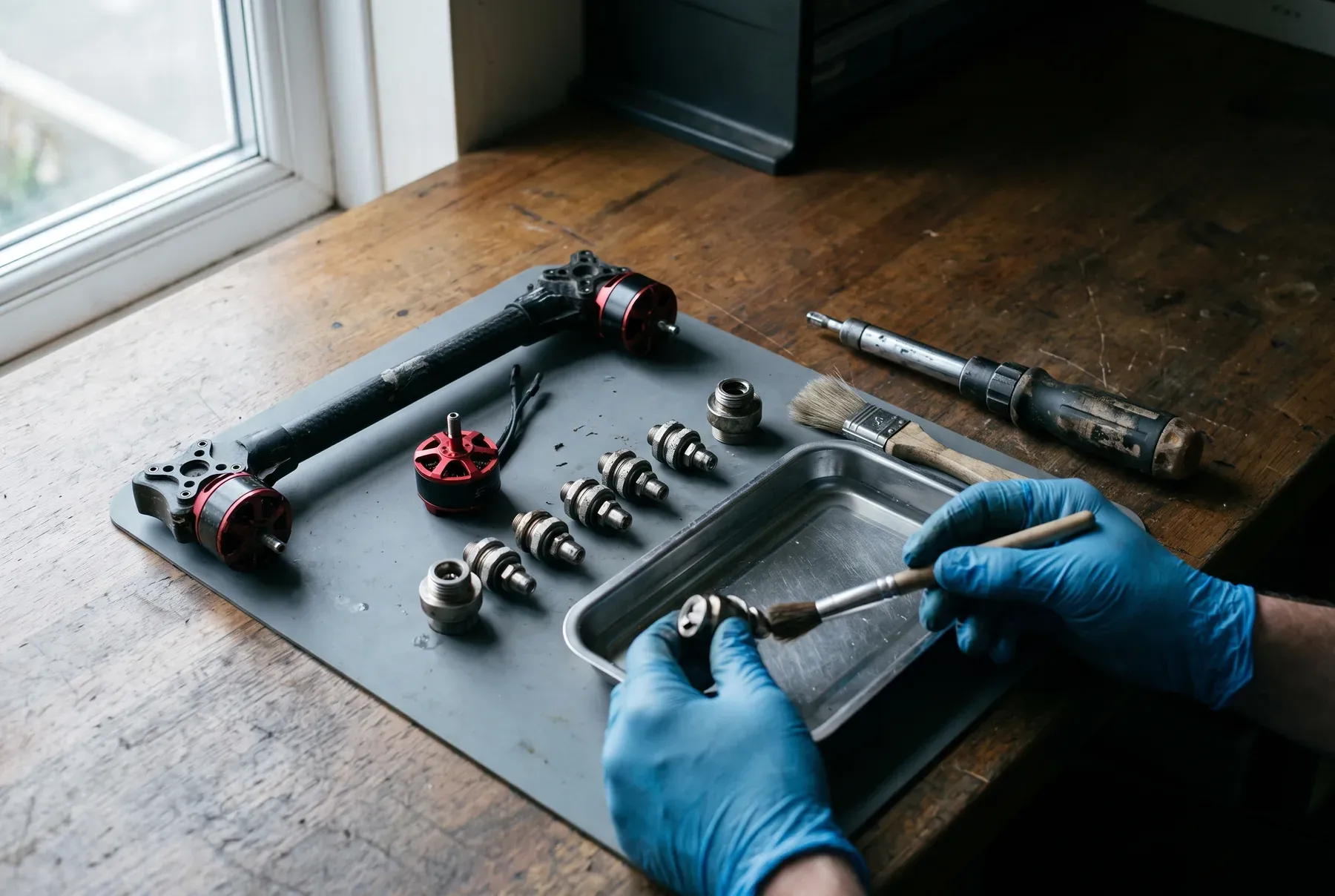 Tips for Maintaining Agricultural Drones and Extending Their Service Life A practical maintenance routine for agricultural drones: pre- and post-flight checks, battery care, motor and propeller cleaning, sensor care, and software and calibration.
-
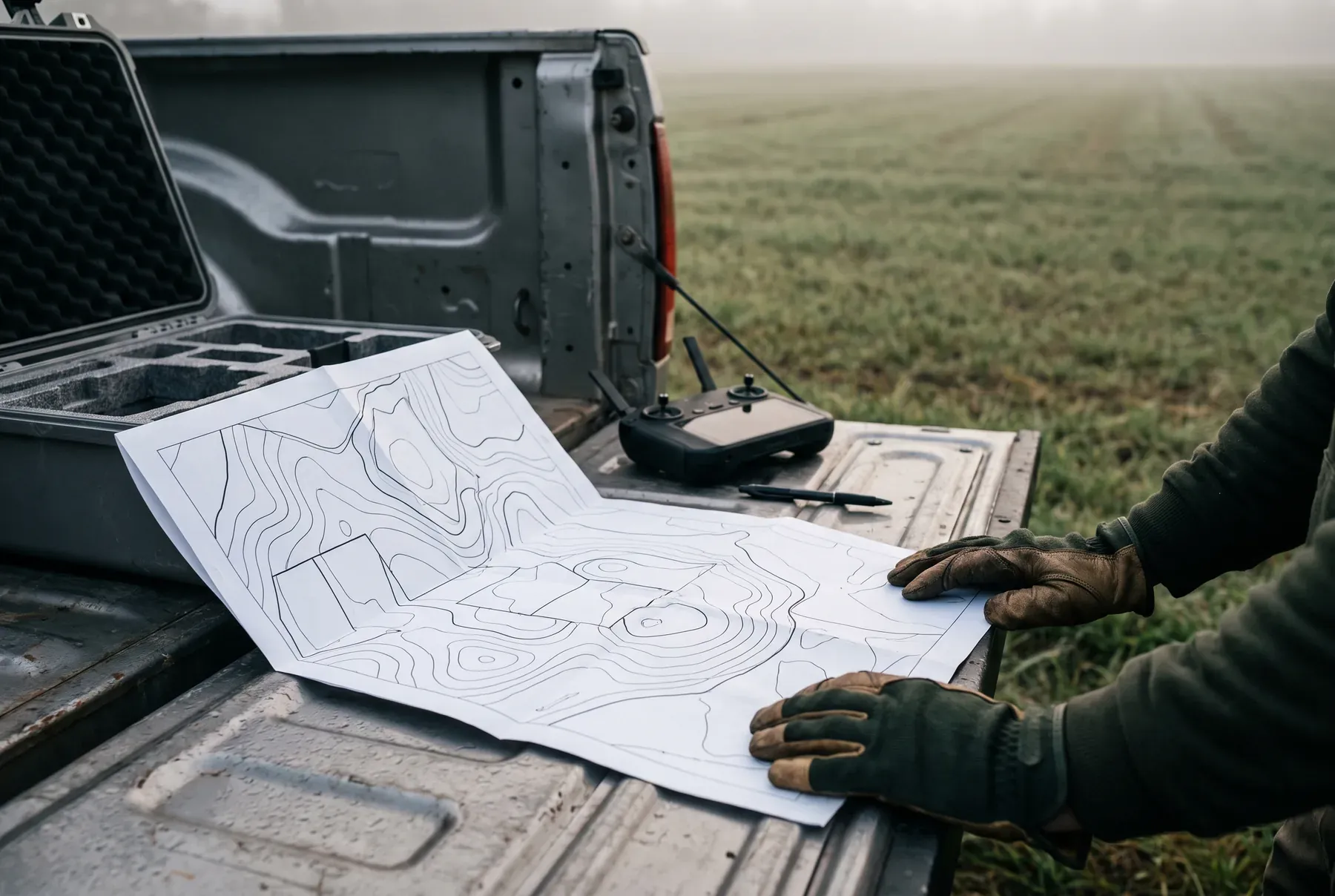 Regulations and Legal Requirements for Using Drones in Farming What to check before flying agricultural drones in Türkiye: licences and permits, airspace rules, crop-protection regulations, insurance and data privacy.
-
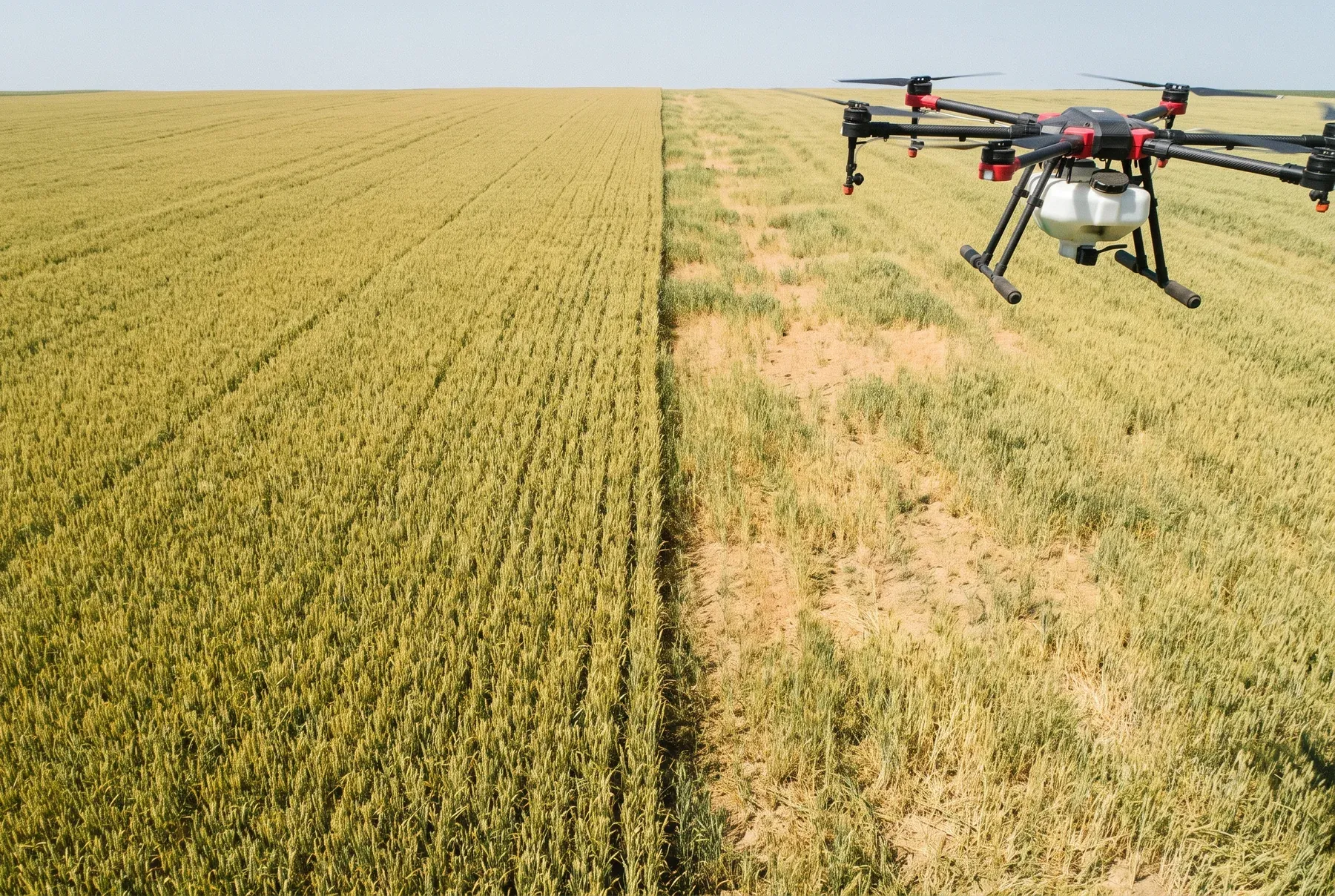 How Drones Raise Productivity in Farming Four ways agricultural drones raise farm productivity: precision application, faster spraying and fertilising, real-time crop data, and savings in labour and fuel.
-
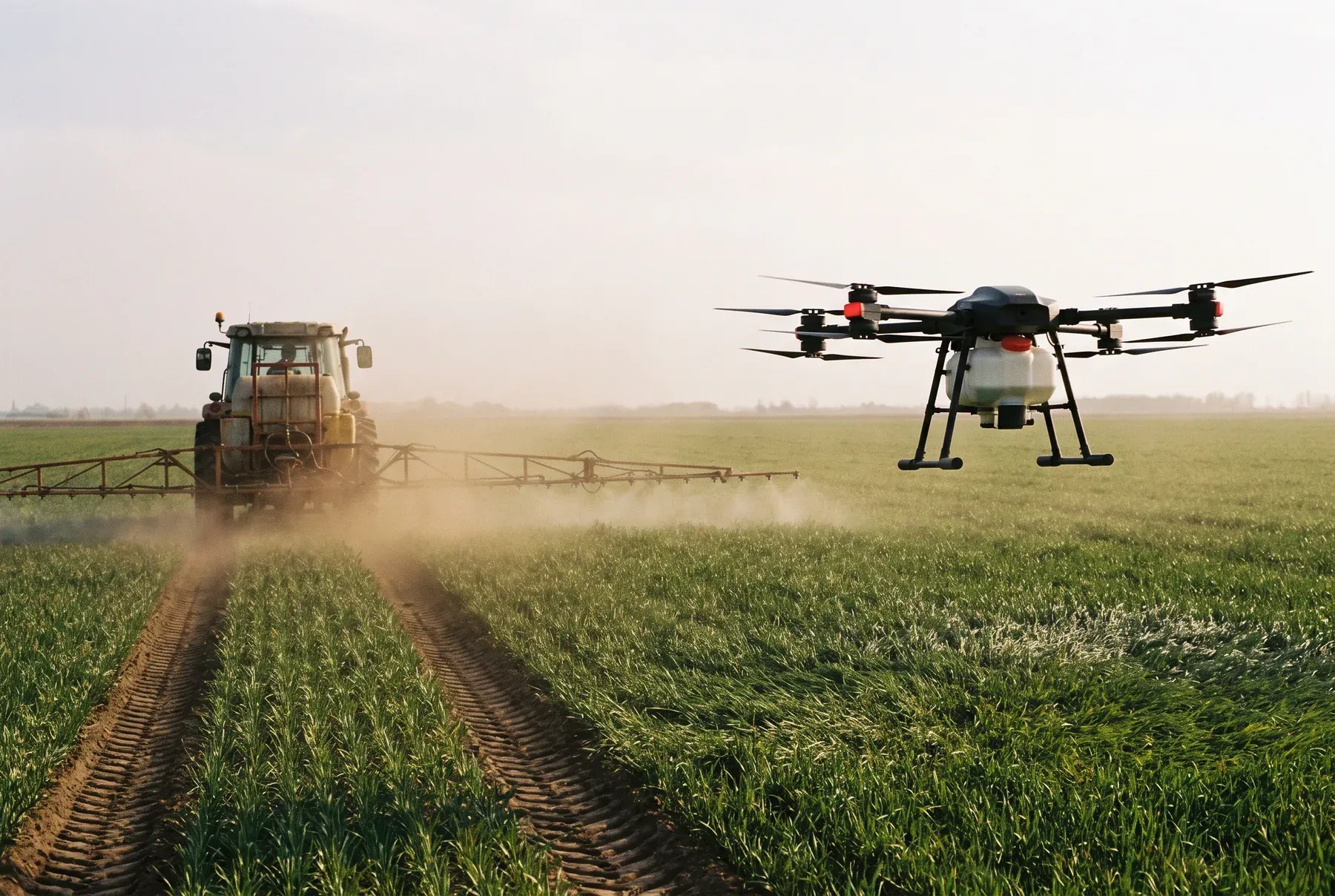 Drones in Farming Compared with Conventional Methods Drone versus tractor and manual methods, side by side: time and labour, precision of application, fuel and chemical costs, and access to difficult ground.
-
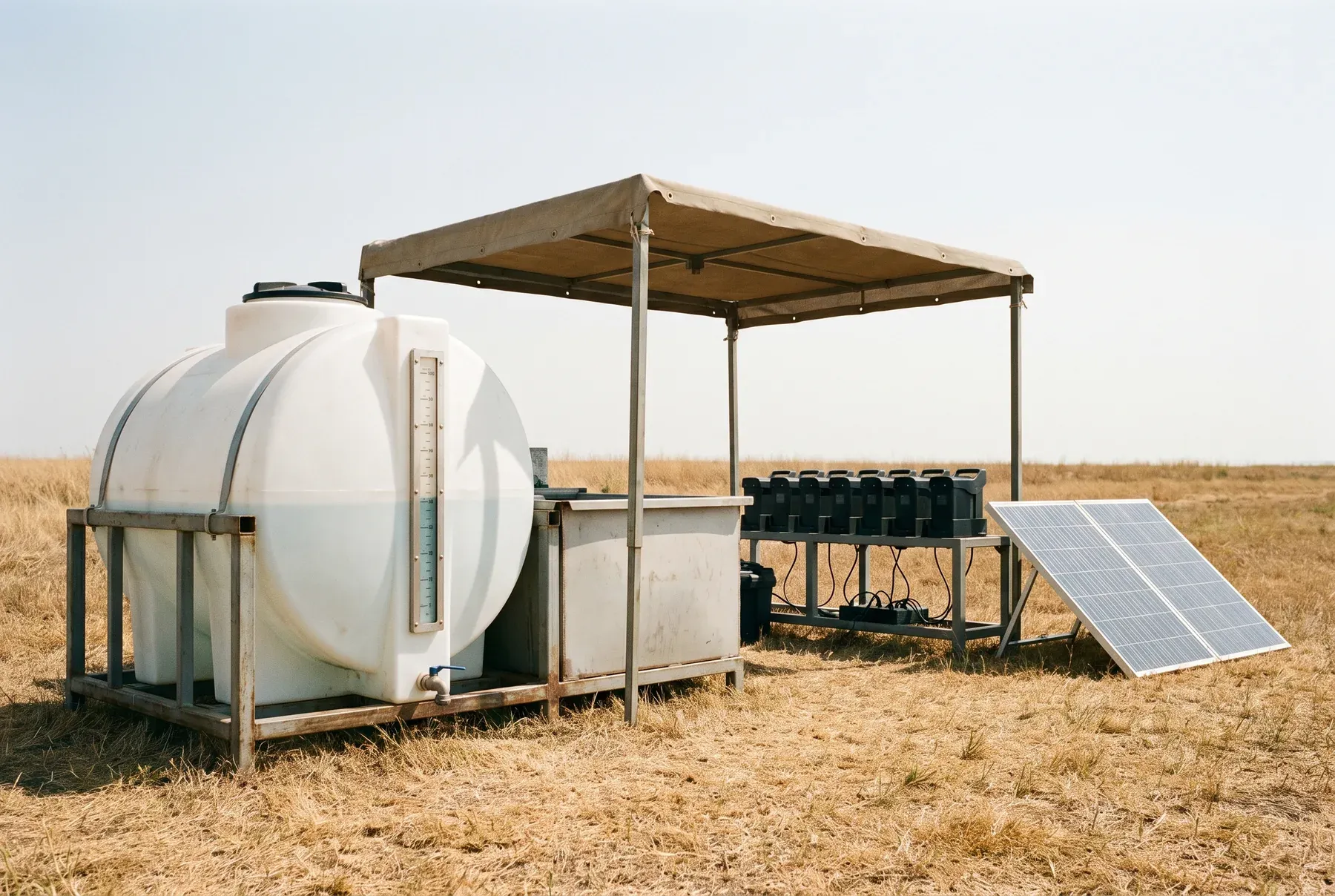 Sustainability in Farming: Saving Water and Energy with Drones Where drones save water and energy on the farm: precision irrigation, targeted fertilising, less fuel burned by tractors and aircraft, and fewer chemicals in soil and water.
-
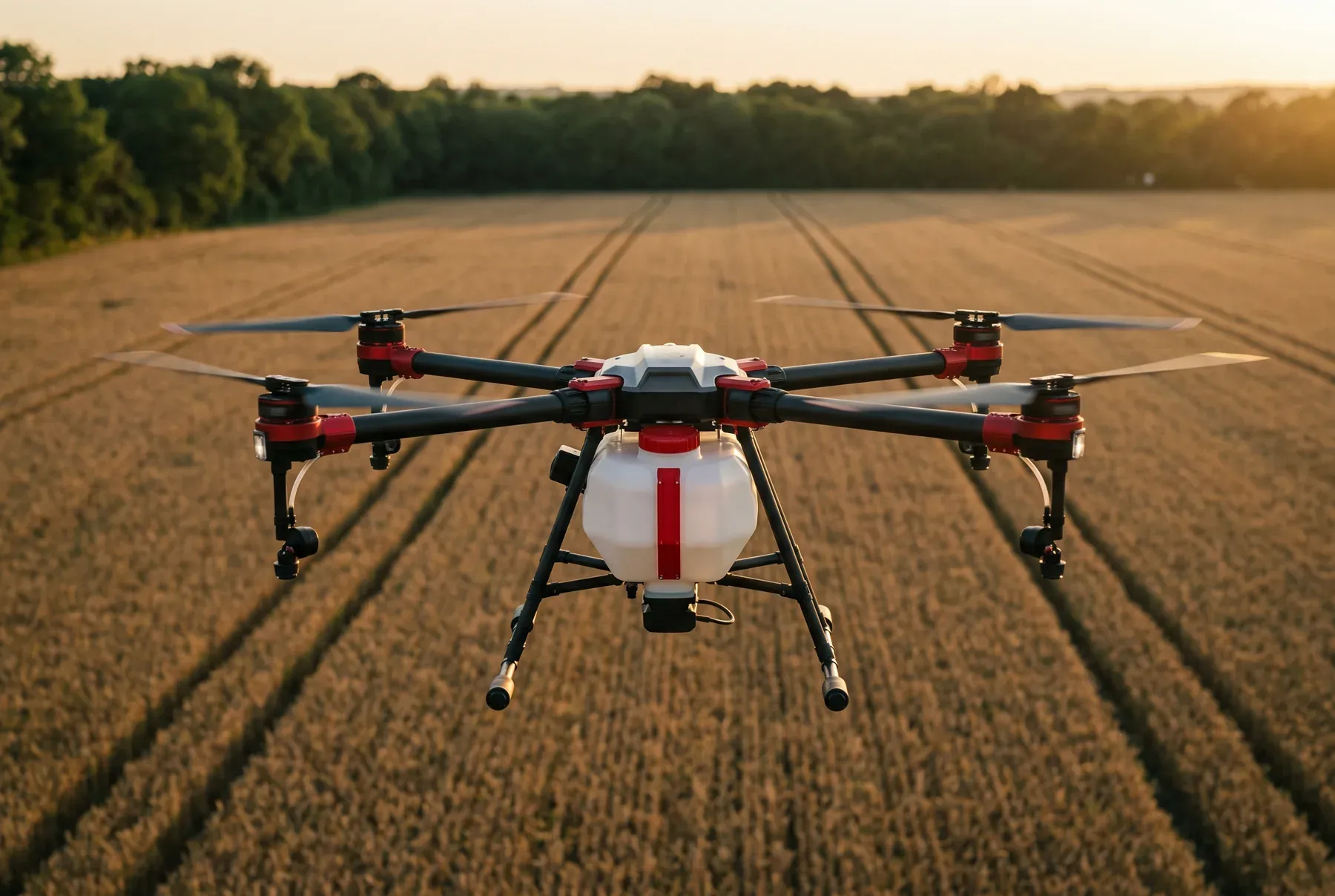 Drones and Precision Agriculture: The Farming Technology of the Future What precision agriculture is, and how drones put it into practice — targeted spraying and fertilising, real-time crop data, and lower costs per decare.
-
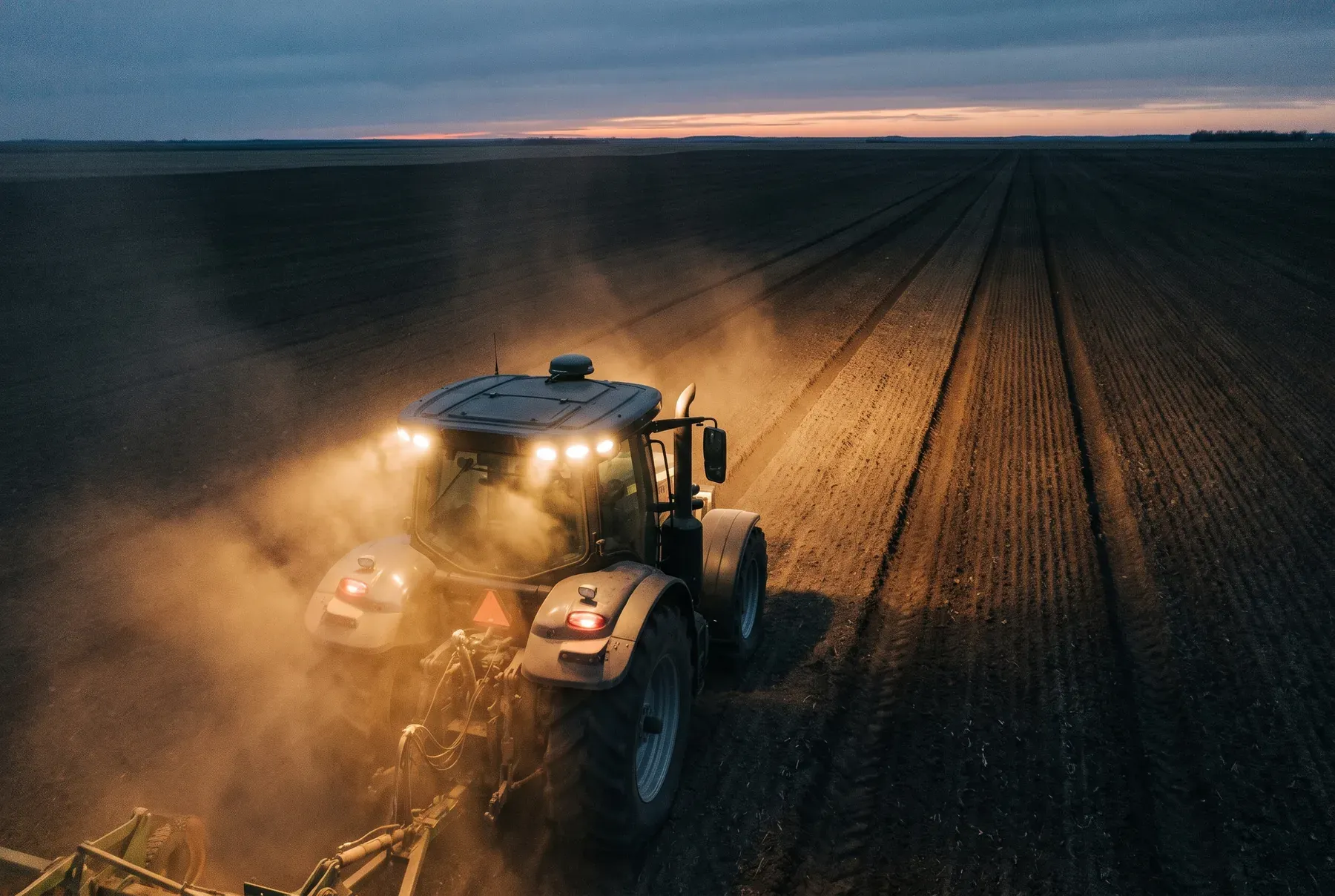 Auto-Steering Systems and Labour Efficiency in Farming How GPS/RTK auto-steering works, and what it saves: fewer operator hours, no overlaps or gaps, less fuel and input, and fieldwork that continues at night.
-
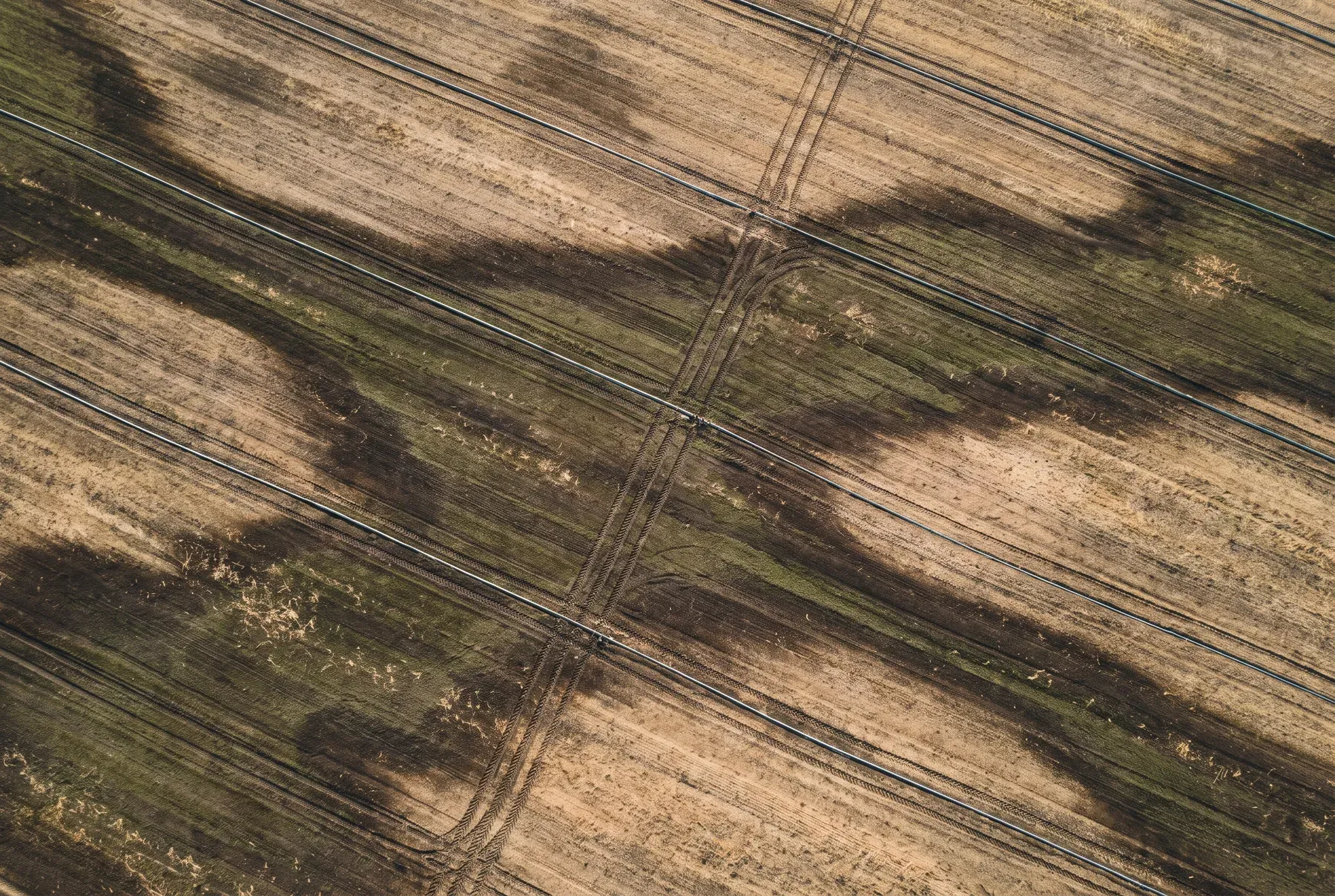 Precision Irrigation with Drones: Ways to Use Water More Efficiently Drones map soil moisture across a field so water goes only where crops need it — saving water, energy and fuel, and catching drought and disease risks early.
-
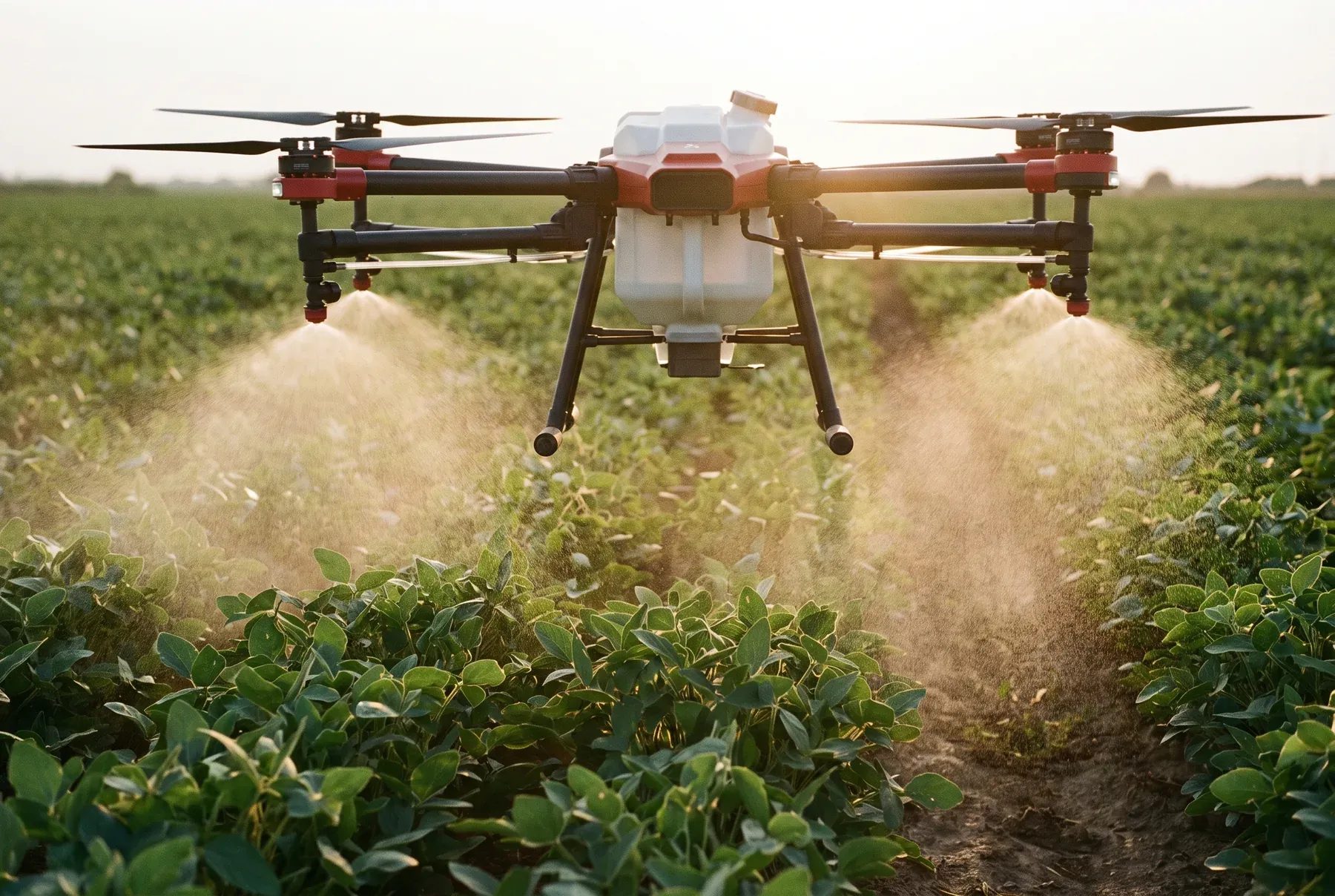 How Drone Spraying Protects the Environment: Ways to Use Fewer Chemicals Targeted drone spraying applies crop protection only where it is needed — reducing chemical use, protecting soil and water, and keeping operators away from exposure.
-
 Robotics and AI in Agriculture: What Lies Ahead for Farmers? How AI-driven crop analysis, autonomous machinery and drones are reshaping farm work — and helping growers cope with a shrinking agricultural workforce.
-
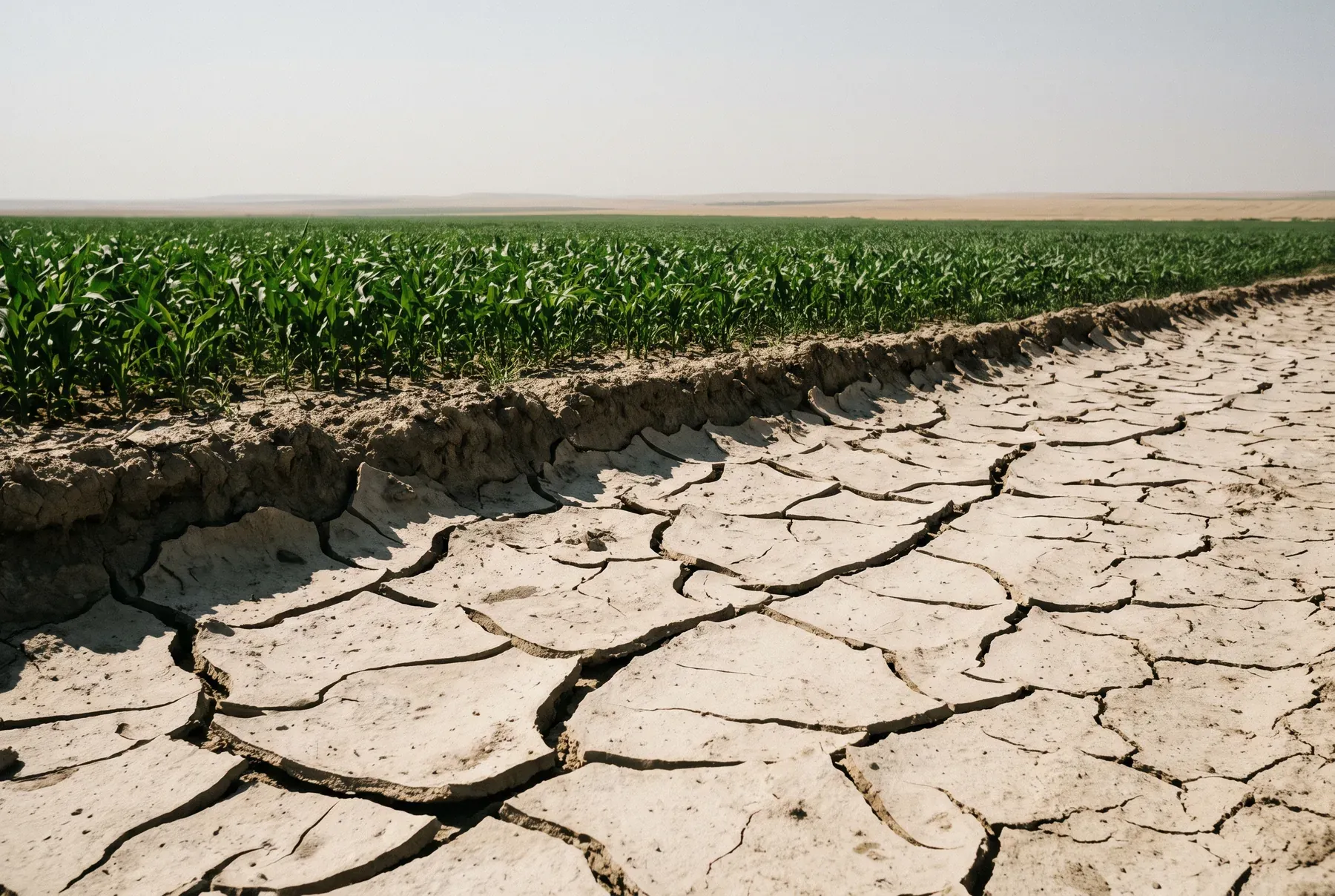 The Role of Agricultural Drones in Tackling Climate Change How agricultural drones help farms adapt to climate change — using less water and fewer chemicals, catching crop stress early, and cutting fuel and emissions.
-
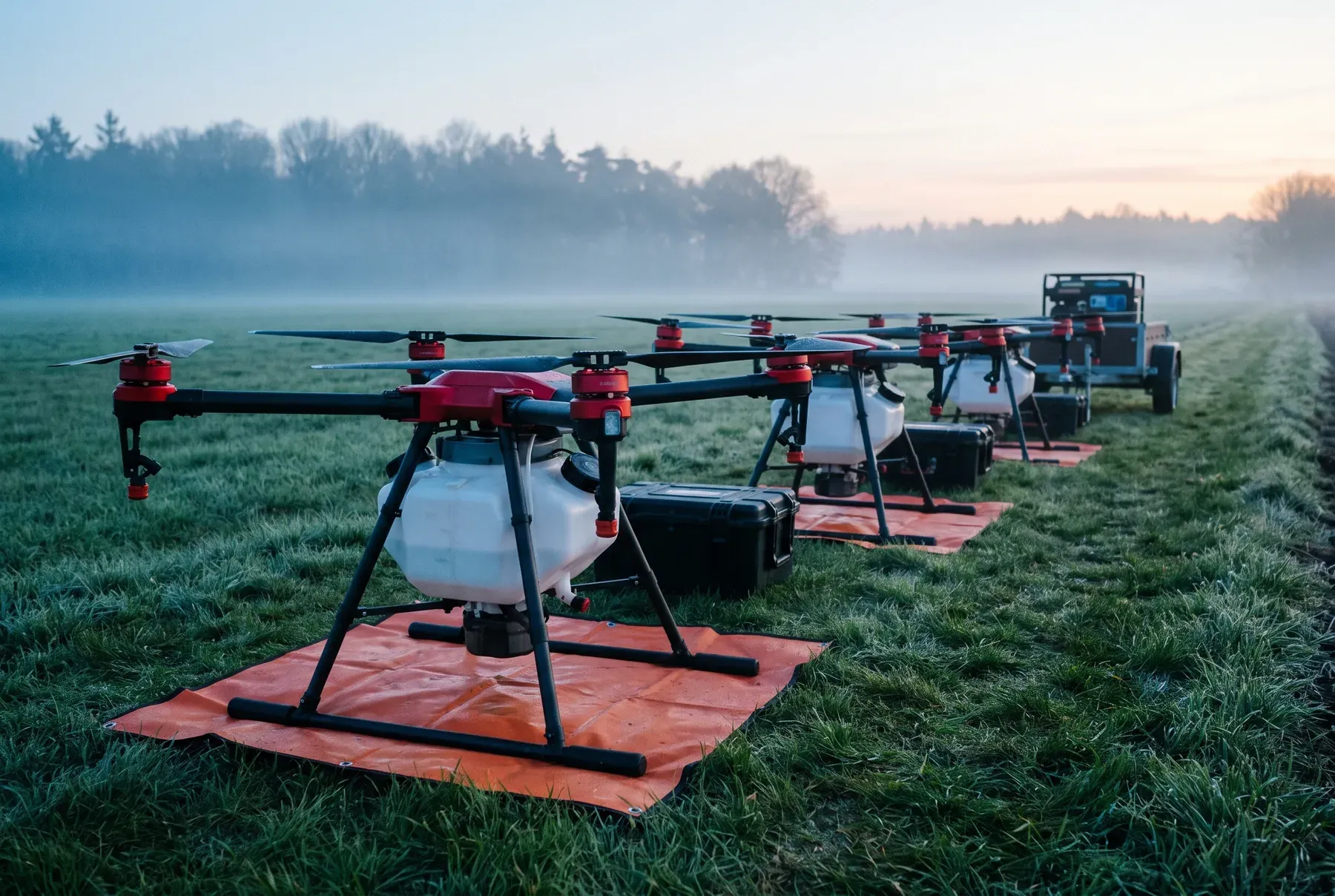 Drone Technology in Agriculture: How Is It Transforming the Sector? Precision application, smart mapping and analysis, time and cost savings, and fewer chemicals — the four ways drones are changing how farms are run.
-
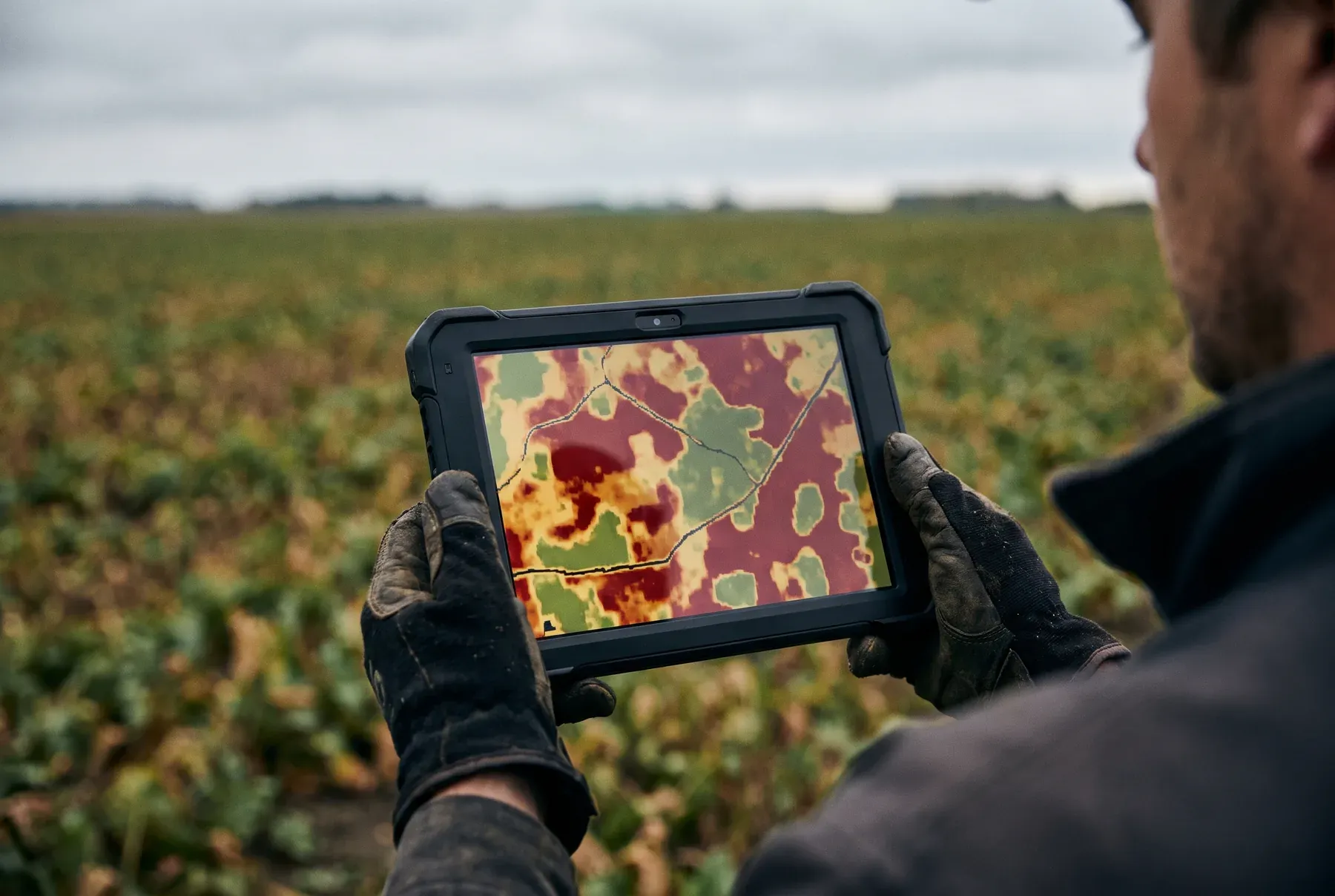 Drone Mapping and Digital Field Monitoring How drone mapping turns a field into data — plant health, soil moisture, pests and nutrient gaps — so each zone gets the treatment it actually needs.
Want to discuss something you read here?
Reach our technical team for an assessment of your own site.