
Regulations and Legal Requirements for Using Drones in Farming
What to check before flying agricultural drones in Türkiye: licences and permits, airspace rules, crop-protection regulations, insurance and data privacy.
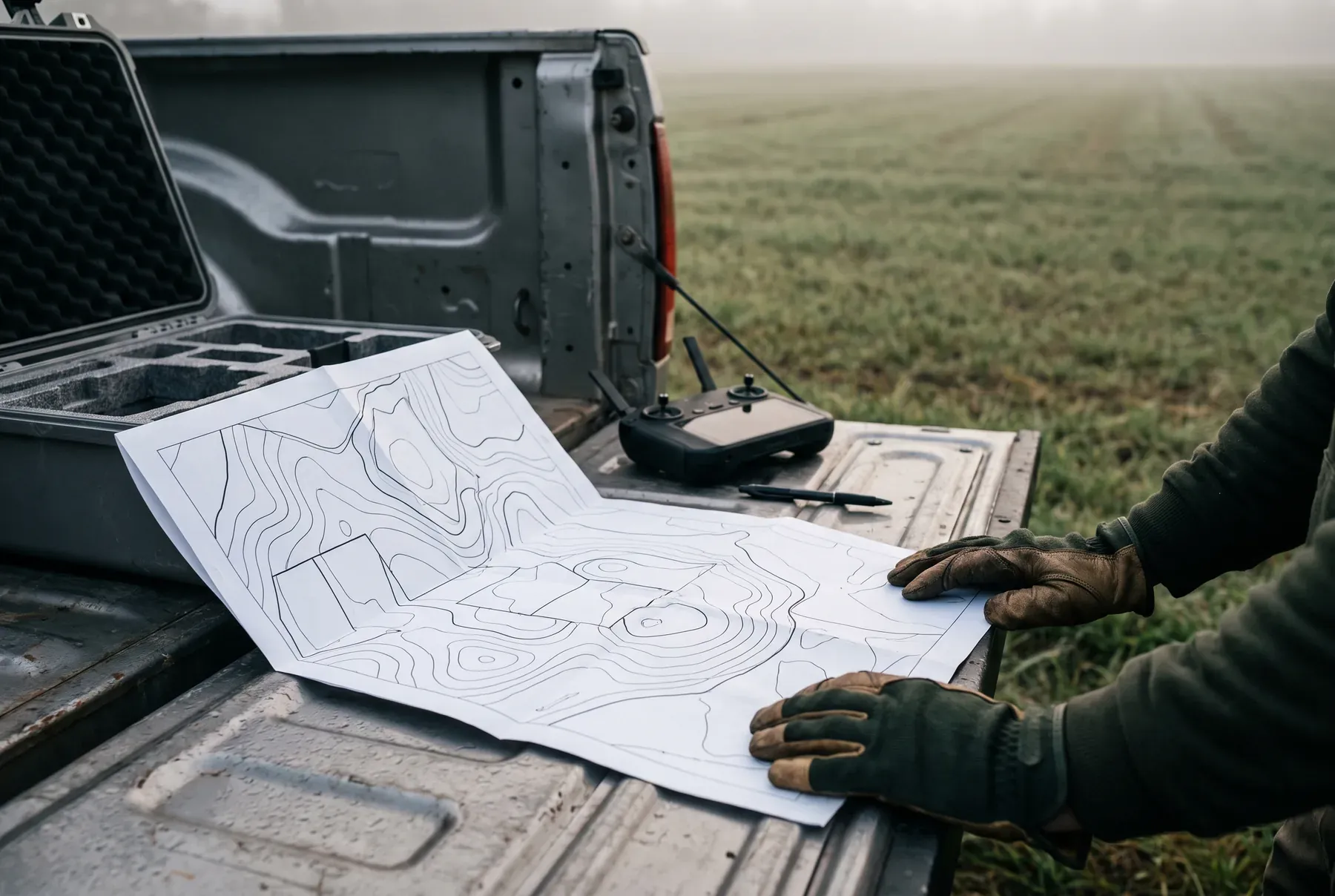
Agricultural drones are transforming spraying, fertilising, crop analysis and soil mapping, and it is essential that the technology is used safely and within the law. Each country sets its own rules and regulations for drone use in agriculture, so that farmers and businesses can benefit from the technology as fully as possible. So what regulations currently apply to agricultural drones, and what should you check before starting to use one?
Licences and Permits Required Before You Start
In many countries, specific licensing and registration processes are mandatory for agricultural drone operations. Spraying and fertilising drones in particular may require additional permits because they apply agricultural chemicals from the air. In Türkiye, operators must comply with the unmanned aerial vehicle (UAV) regulations set by the Directorate General of Civil Aviation (SHGM). Drones above a certain weight also require flight permits, and authorisation must be completed for commercial use.
Airspace Rules for Agricultural Drone Operations
Because agricultural drones operate at low altitude, they may be subject to airspace regulations. Additional permits may be needed for flights near residential areas or close to airports. Airspace regulations should be reviewed carefully so that drone flights do not enter military zones or restricted airspace.
Agricultural Chemicals and Environmental Regulations
When spraying by drone, agricultural chemicals must be applied at the correct dose and safely. Anyone carrying out drone spraying is therefore expected to follow the application procedures set by the Ministry of Agriculture and Forestry. Because incorrect spraying can harm the environment, it must be carried out by authorised operators.
Insurance and Liability
Legal liability matters a great deal if an agricultural drone causes an accident or damage. Commercial drone operators are therefore advised to take out insurance and secure cover for potential damage. Many countries have compulsory insurance policies for commercial drone operations.
Data Collection and Privacy Rules
While drone technology gives farmers major advantages in collecting farm data and mapping, how that data is used and stored is also an important legal matter. Drone use over private land in particular must comply with privacy law. Measures should be taken to ensure drones do not record data over areas they are not authorised to cover, and that farmers’ personal data is protected.
Conclusion: Safe, Productive Farming Through Compliant Drone Use
To get the most from drones in farming, compliance with current regulations is essential. Licensing requirements, airspace rules, the use of agricultural chemicals and data privacy make up the core legal framework every agricultural drone operator needs to know. Skytech’s expert team helps you take the legal process into account as you bring drone technology into your farming.