Skytech Water is the group’s industrial water division. It builds systems that let a facility generate its disinfectant on site at the moment of use, rather than transporting and storing it.
Electrochemical activation (ECA) produces hypochlorous acid from nothing but water, salt and electricity. The resulting solution has a broad spectrum of action, and it removes hazardous-chemical haulage, stock management and the occupational risks that come with them. On the filtration side, reverse-osmosis and ultrafiltration trains prepare process water.
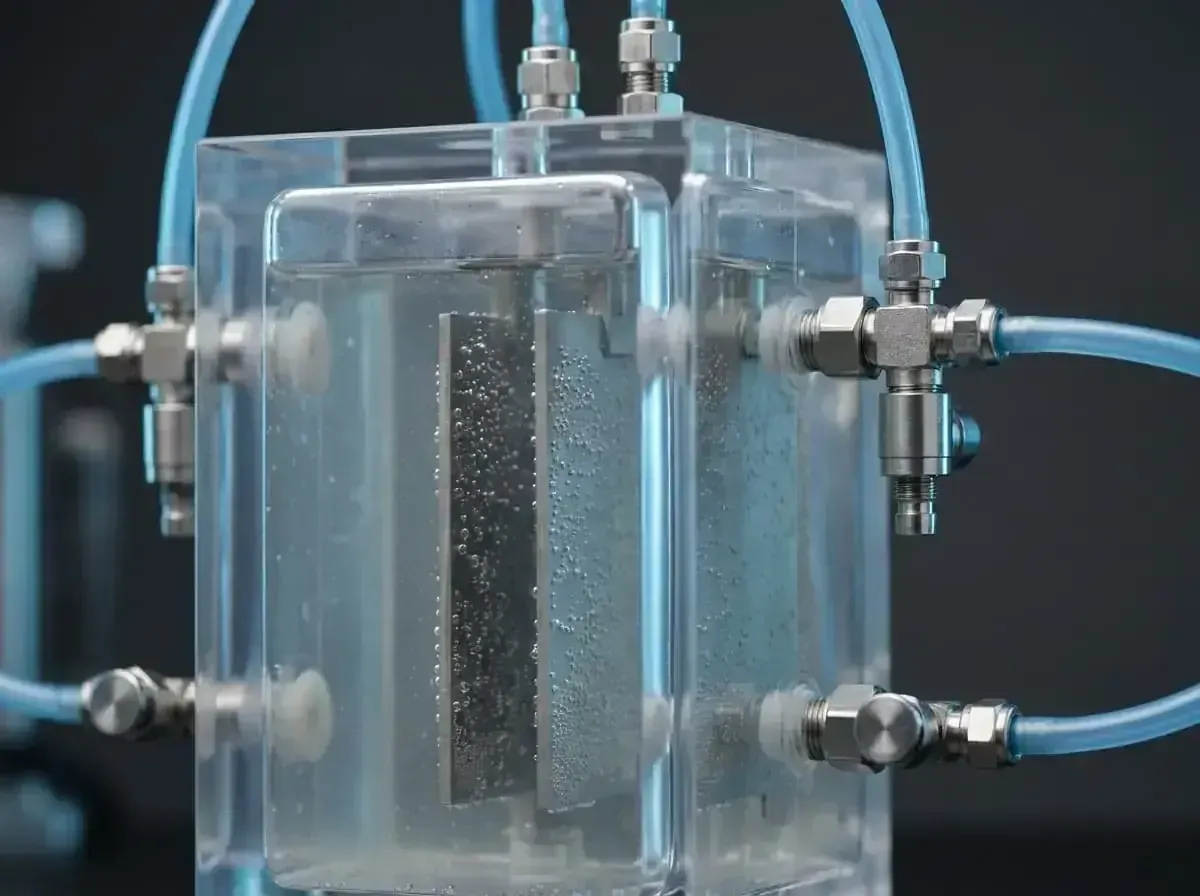
An electrochemical activation cell
How the work is done
Salt, water and electricity. That is the whole input list
Electrochemical activation (ECA) passes a salt solution through a dedicated electrolysis cell and converts it into a hypochlorous acid (HOCl) solution. The only inputs are salt, water and electricity — no hazardous chemical enters the facility.
Hypochlorous acid is the most effective disinfecting form of chlorine in water. At the same free-chlorine level it shows up to 80 times the biocidal efficacy of sodium hypochlorite, and at working concentrations it does not irritate skin or mucous membranes.
The system generates on demand. Because the solution is made at the point of use, there is no loss of efficacy from shelf life, and long-term storage is usually unnecessary.
Properties of the solution
The active agent is not a single compound but a meta-stable mixture of oxidants.
Total active concentration
0.5 ± 0.05 g/L
Dissolved inorganic content
Below 0.09%
pH
Near neutral — does not disturb water balance or corrode equipment
Appearance
Colourless, clear, tasteless; contains no hazardous component
Speed of action
80–85% of disinfection completes within the initial contact time
Duration of action
30–40 minutes
Operating cost
Per litre, typically below a tenth of buying the equivalent ready-made chemical
Three system series
The right series and capacity tier follow from a raw-water analysis and the target water quality.
NIMBUS — on-site disinfectant generation
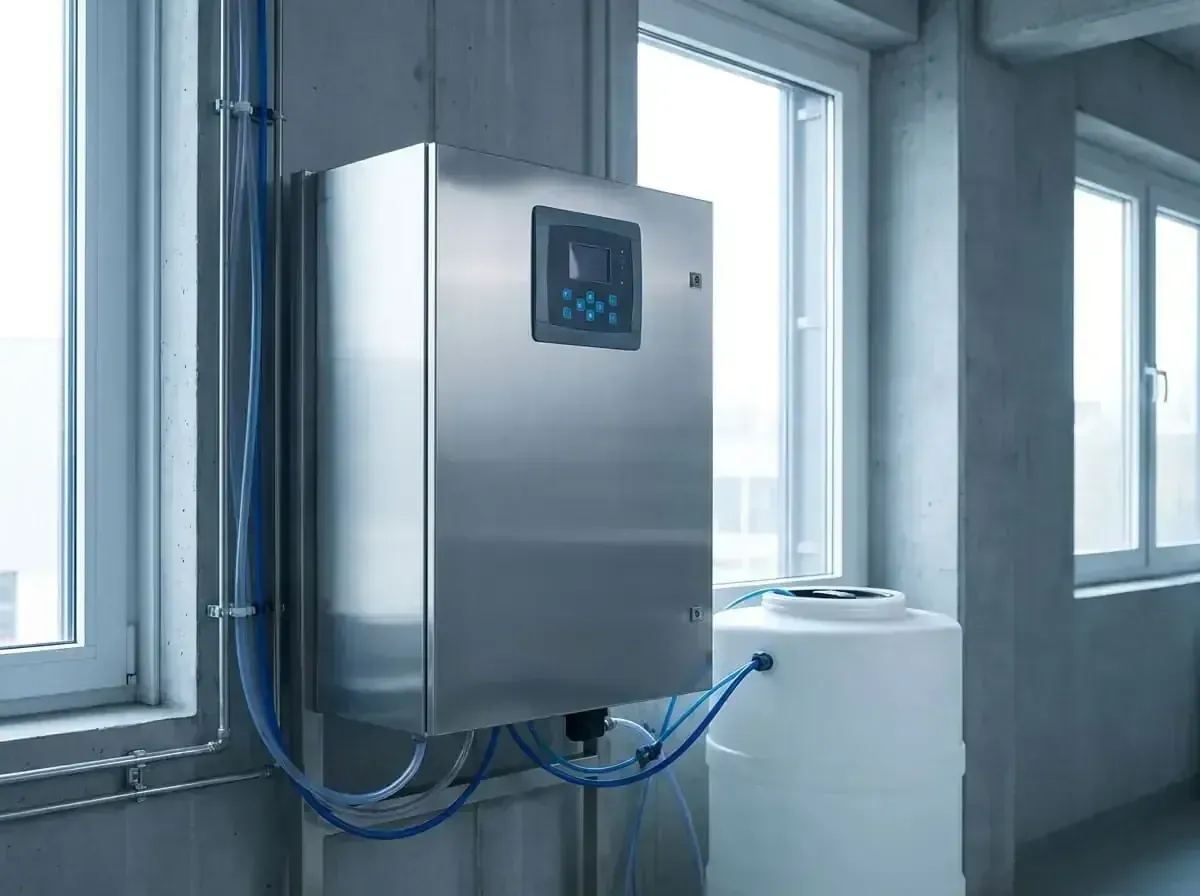
Produces pH-neutral hypochlorous acid by ECA. Three capacity tiers, from a small business to a municipal network. The electrolysis cell runs a periodic automatic wash, and every system ships with remote monitoring.
STRATUS — filtration and treatment
Combines pre-filtration, ultrafiltration, reverse osmosis, UV disinfection and remineralisation as modular stages. Works with mains, well and surface water. Three capacity tiers.
CIRRUS — process water and bespoke projects
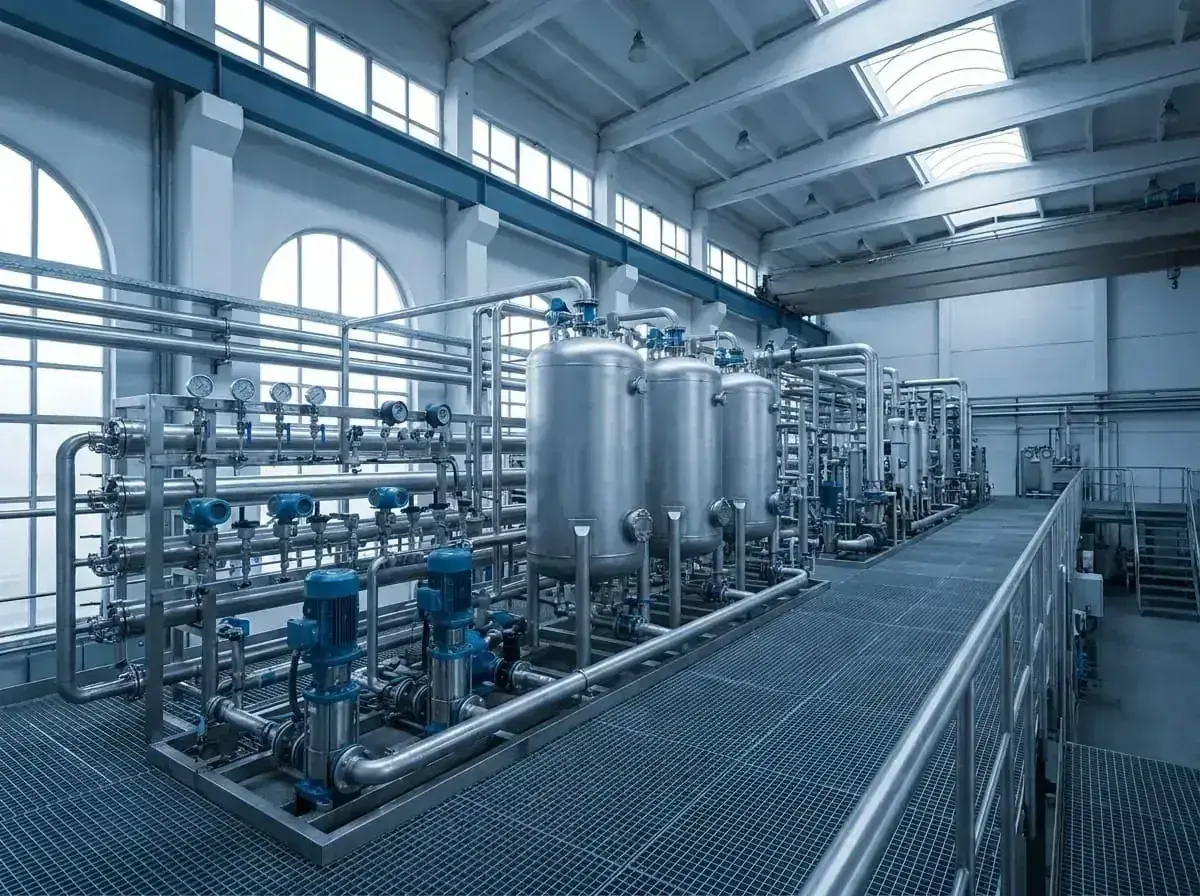
The work that falls outside the standard bodies: flows above 40 m³/day, wastewater recovery, multi-stage process trains, high-salinity raw water and the modernisation of existing plants.
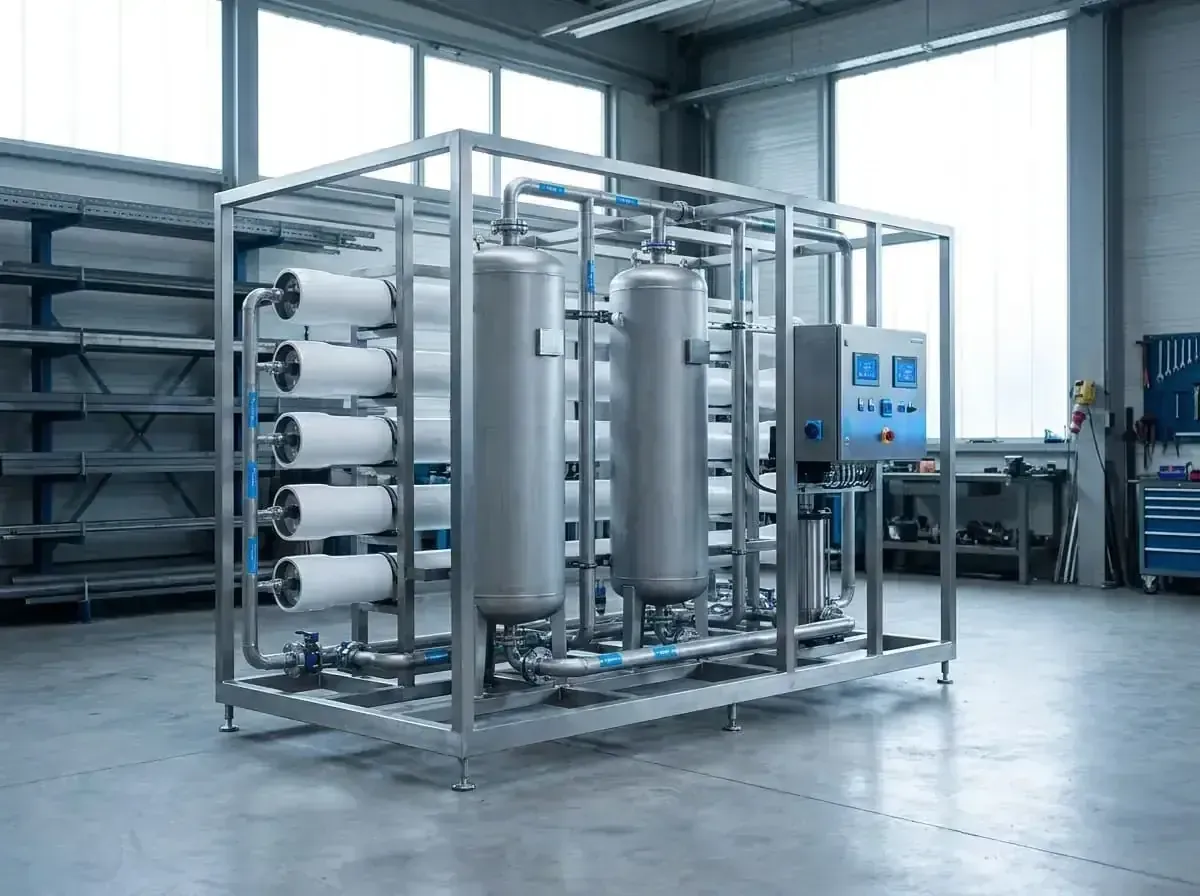
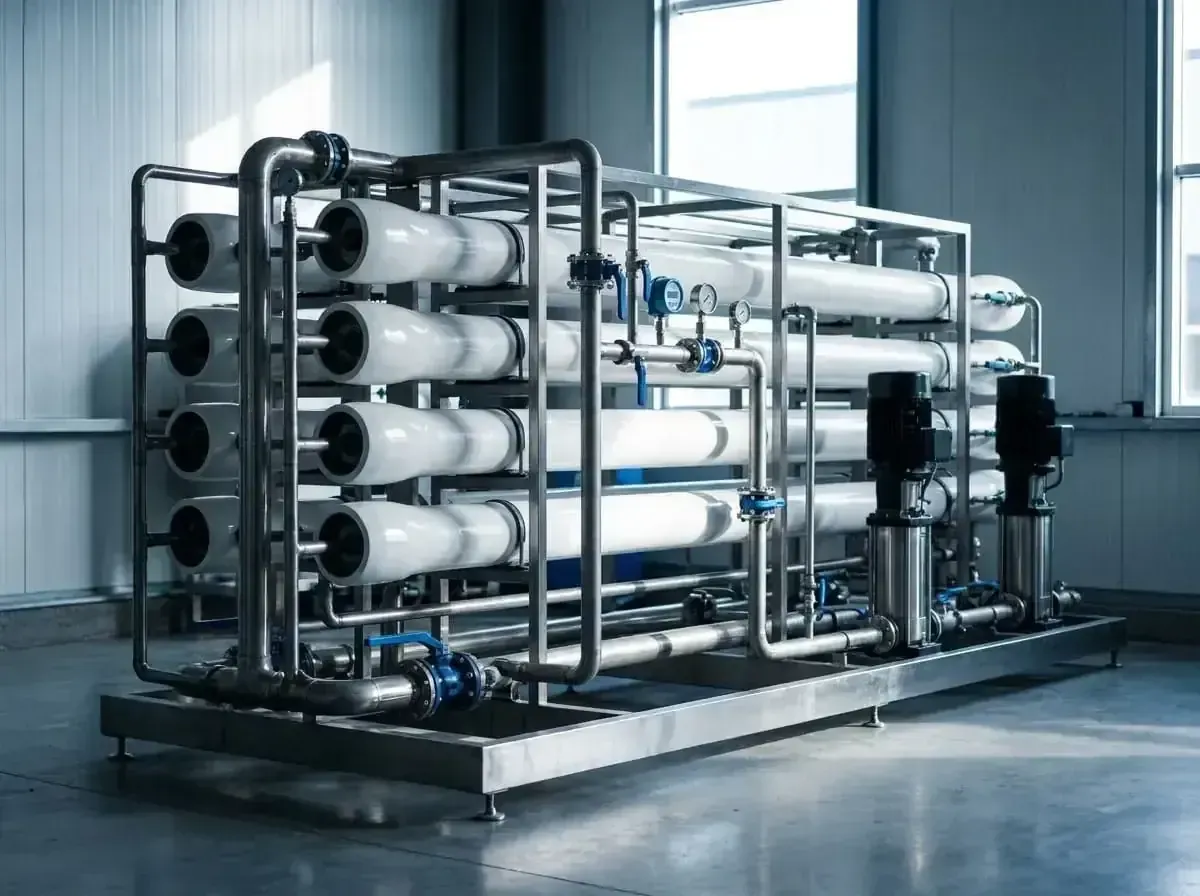
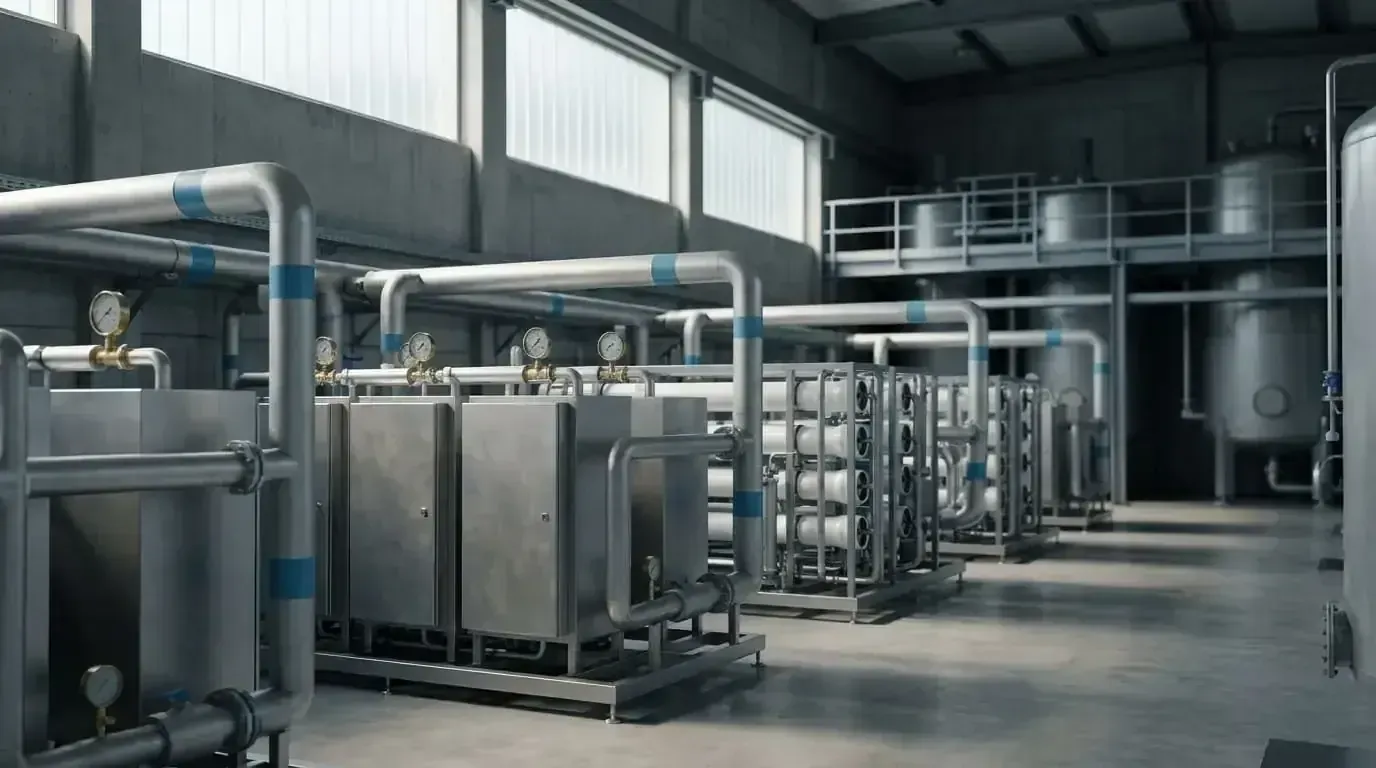
Reverse-osmosis membrane modules
Ultrafiltration or reverse osmosis?
Ultrafiltration retains suspended solids, bacteria and viruses at a pore size of 0.01–0.1 micron, and lets dissolved salts through. It is the right stage when the water’s mineral profile should be preserved.
Reverse osmosis separates dissolved ions as well, through a semi-permeable membrane, producing demineralised water. It is required where conductivity has to come down.
Which one — or which combination — is not decided by assumption but by raw-water analysis against the target quality. Correct pre-treatment extends the economic life of the membranes, and the system continuously monitors membrane-protection parameters to prevent early wear.
How a project runs
On the CIRRUS line, survey through commissioning sits with one party.
01
Water analysis and site survey
A raw-water analysis is taken and the flow, conductivity, hardness and contaminant profile established. Site conditions and existing infrastructure are assessed.
02
Process design and quotation
The stage combination is designed against the target water quality. The quotation is issued together with capacity and an operating-cost projection.
03
Manufacture and installation
The system is manufactured and installed on site. Integration with existing SCADA and automation happens at this stage.
04
Commissioning and performance testing
The system is commissioned and handed over against performance tests, then placed under a scheduled service and remote-monitoring protocol.
Sectors we serve
Drinking water
Network and reservoir disinfection; continuous dosing without disturbing pH balance.
Food and beverage
Food-contact surfaces, CIP lines and process-water preparation.
Healthcare facilities
Legionella control in sanitary water lines, and surface hygiene.
Livestock
Biofilm control in drinking lines and housing hygiene.
Industrial plants
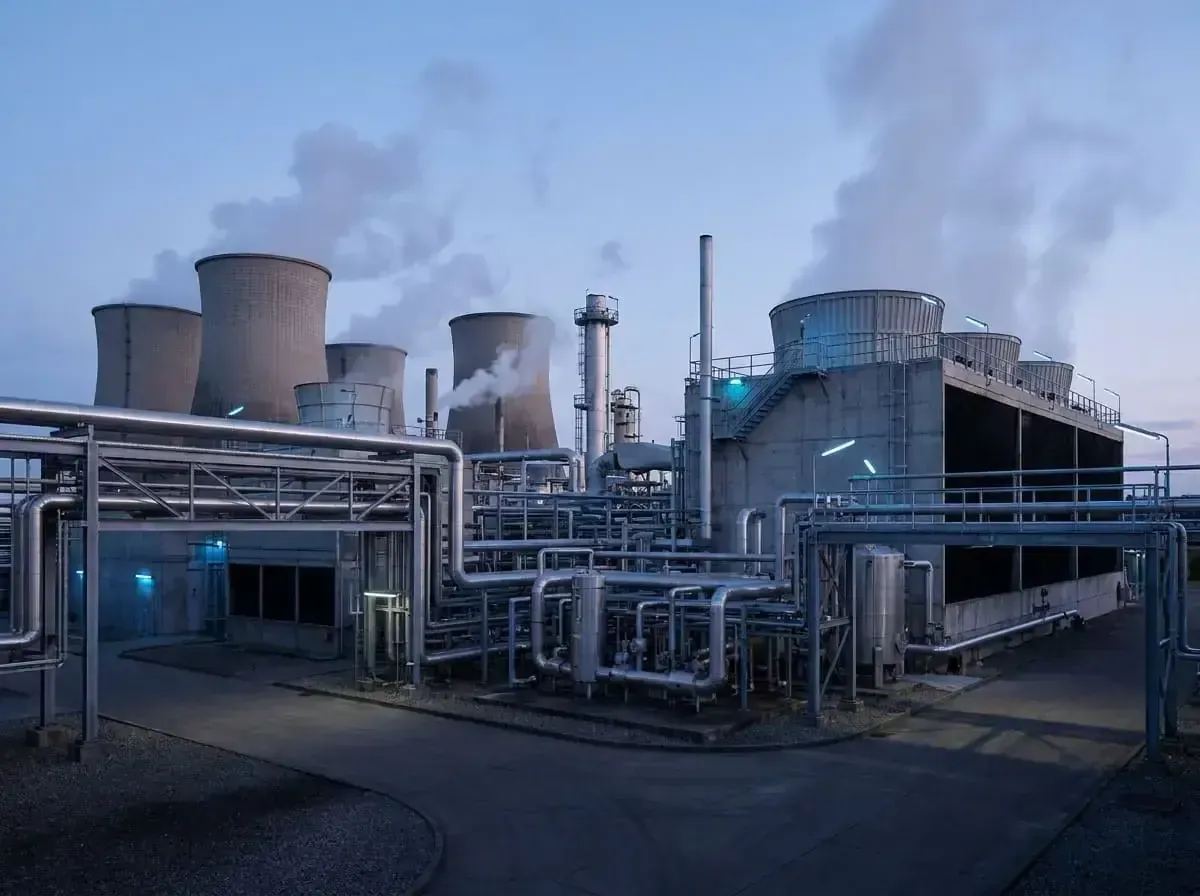
Process-water preparation, cooling towers and wastewater recovery.
Swimming pools
Pool water disinfection without chlorine odour or eye irritation.
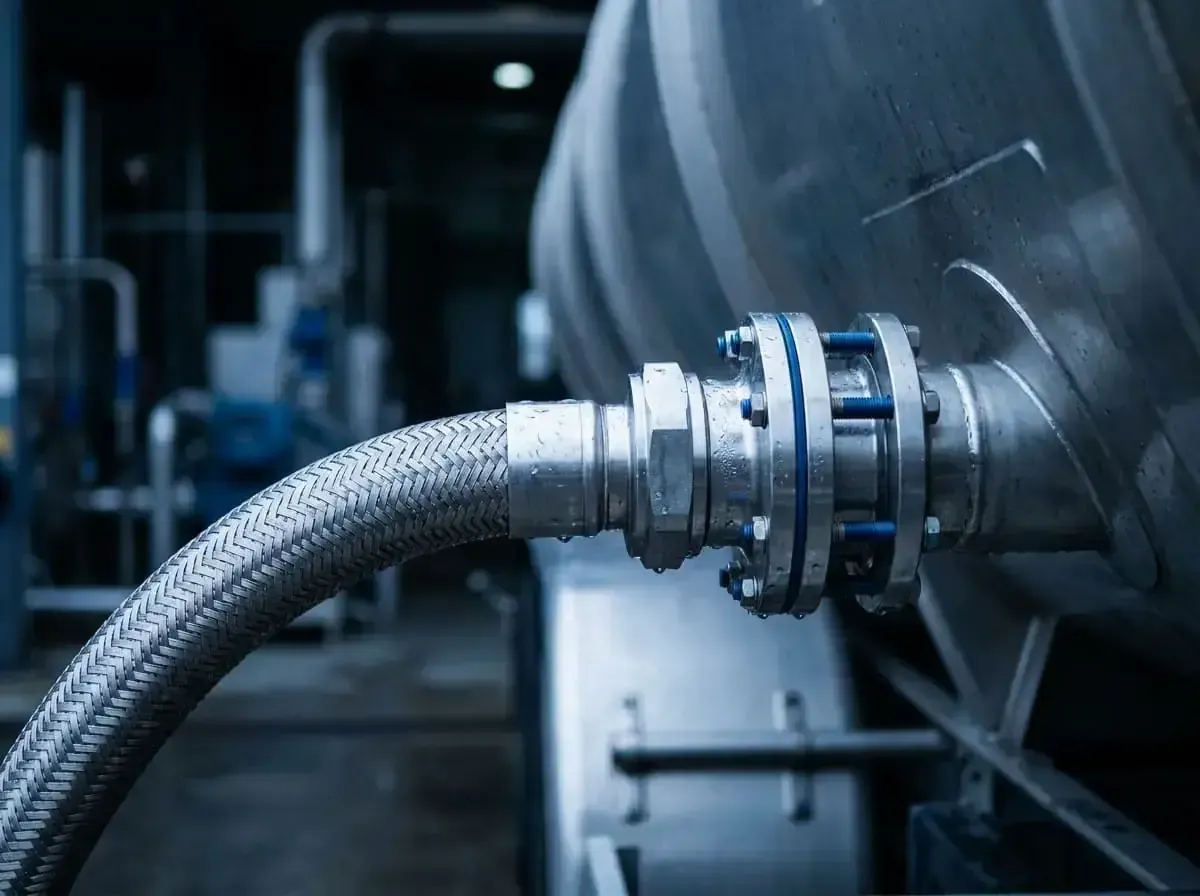
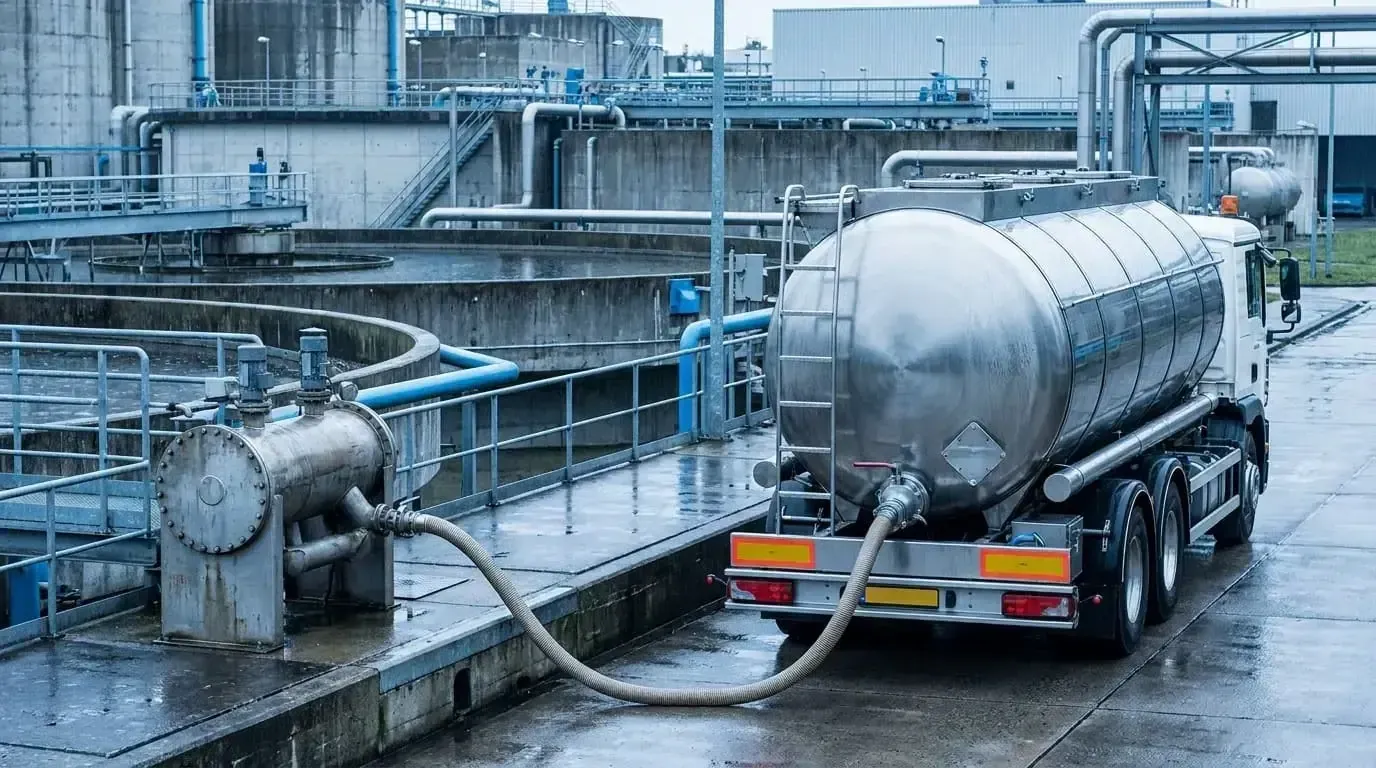
Bulk delivery by tanker
You can start without installing a system
It is possible to begin with supplied solution before moving to on-site generation. Delivered in bulk by tanker or in 10–20 litre drums, it comes out of the same ECA process used in NIMBUS systems — the same pH-neutral formulation.
Many customers start this way. As consumption volume becomes clear, a NIMBUS system is installed and production moves on site. The two supply modes are not mutually exclusive.
The solution holds its efficacy for a period in a closed tank protected from light. Delivery frequency is planned against your rate of consumption for maximum effectiveness.
Why on-site generation is safer
Buying a ready-made chemical brings hazardous material into the facility: it is hauled, stored and handled. Every one of those steps carries an occupational risk and a regulatory obligation.
On-site generation removes that chain. The only thing held in store is salt. Because the solution is always freshly made there is no loss of efficacy from shelf life, and dosing is set against the facility’s live demand.
Systems are supported by technical documentation in four languages: Turkish, English, German and Russian.
Honest limits
Definitive sizing always begins with a water analysis taken on site. A capacity recommendation given without one is a guess, and we do not give them.
Operating-cost comparison depends on capacity and the unit price of electricity. “A tenth” is a typical range, not a commitment for every facility.
For high-salinity raw water or unusual contaminant profiles the standard bodies may not suffice; those cases are assessed on the CIRRUS project line instead.
Capabilities
What this division does
The services and engineering scope we deliver.
On-site disinfectant generation
Hypochlorous acid (HOCl) produced from water, salt and electricity in an ECA cell.
Reverse osmosis and ultrafiltration
Membrane-based process- and drinking-water preparation trains.
Process-water treatment
Sized to each facility’s flow, conductivity and hardness targets.
Legionella control
Continuous dosing strategies for cooling towers and sanitary water lines.
Water analysis and sizing
Definitive system selection always begins with a water analysis.
Commissioning and service
Installation, operator training and scheduled on-site maintenance.
Platform
System series
NIMBUSNIMBUSOn-site disinfectant generation systems
STRATUSSTRATUSFiltration and treatment trains
CIRRUSCIRRUSProcess water and bespoke projects
Sectors
Where we work
Drinking water
Food and beverage
Healthcare facilities
Livestock
Agricultural irrigation
Industrial plants
Swimming pools
Surface hygiene
From the field
Operating basis
How we operate
Systems are backed by technical documentation in four languages (TR, EN, DE, RU).
Sizing follows the result of a water analysis taken on site.
Hypochlorous acid is a broad-spectrum disinfectant produced from water, salt and electricity through electrochemical activation (ECA). Skytech Water systems generate this solution on site, at the moment it is needed.
Why is generating disinfectant on site safer?
Generating disinfectant in the facility removes the haulage and storage of hazardous chemicals along with the occupational risks attached to them. No stock management is required, because production follows the rate of consumption.
What is the difference between NIMBUS, STRATUS and CIRRUS?
They are three Skytech Water system series. NIMBUS covers on-site disinfectant generation systems. STRATUS covers filtration and treatment trains, including reverse osmosis and ultrafiltration. CIRRUS is for process water and bespoke, facility-specific projects.
How is a system sized?
Definitive sizing always begins with a water analysis taken on site. Selection follows the facility’s flow, conductivity and hardness targets. Systems are sized to the measured need — a larger solution than the site requires is never proposed.
Have an enquiry for this division?
Reach our technical team and we will size the solution and prepare a quote.
 SKYTECH WATER