
The Role of Agricultural Drones in Tackling Climate Change
How agricultural drones help farms adapt to climate change — using less water and fewer chemicals, catching crop stress early, and cutting fuel and emissions.
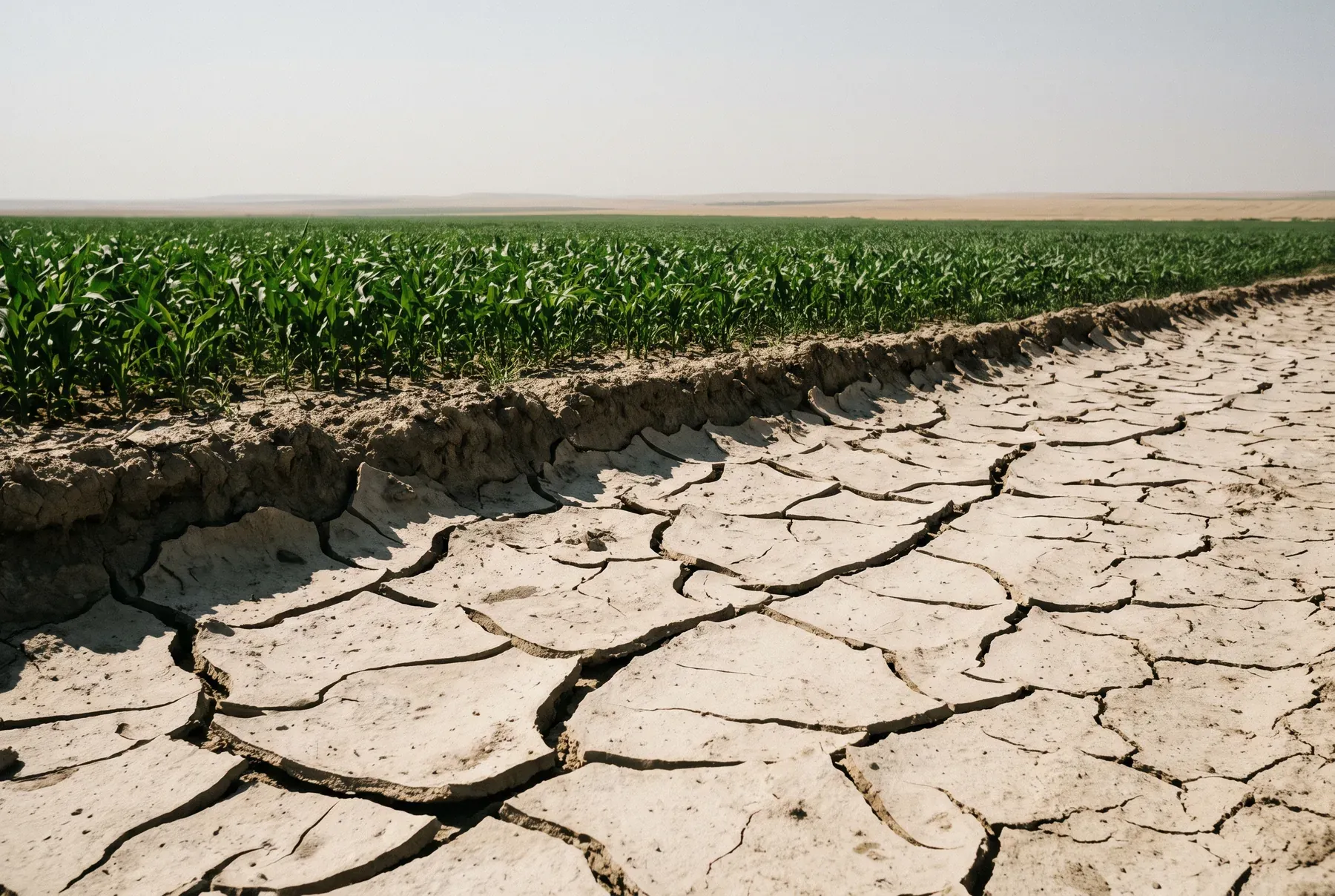
Climate change has become one of the greatest global challenges facing agriculture. Drought, extreme rainfall, temperature swings and growing pest pressure are causing farmers to lose crops. While conventional farming methods struggle to keep pace with these rapid changes, drone technology offers ways to make farming more resilient. So how do agricultural drones help tackle climate change?
Using Water More Efficiently
Climate change is shrinking water resources, and efficient irrigation is becoming ever more important. Conventional irrigation usually spreads the same amount of water across the whole field, which can both waste water and leave some areas without enough. Using multispectral cameras and sensors, agricultural drones can measure soil moisture and direct irrigation only to the areas that need it, reducing water consumption by up to 30%.
Protecting the Environment by Avoiding Excess Chemicals
As climate change erodes soil fertility, farmers are turning to more crop protection products and fertiliser. Over the long term, though, this pollutes soil and water, reduces biodiversity and damages ecosystems. Precision spraying and fertilising by drone applies the minimum amount of chemical, and only where it is needed, preventing environmental harm. This makes agricultural production more sustainable while lowering farmers’ costs.
Minimising Climate-Driven Yield Losses
Sudden temperature changes, irregular rainfall and rising pest populations can cause serious losses in agricultural production. With conventional methods, farmers try to spot disease and pests by eye, and when problems are noticed late, heavy crop losses can follow. Drone technology, by contrast, monitors crop health continuously through multispectral imaging and can give farmers early warning. Disease and pests are dealt with before they spread, keeping yield losses to a minimum.
Greener Farming Through Lower Carbon Emissions
Conventional farming relies on tractors and other heavy machinery, which increases fossil-fuel consumption and enlarges the carbon footprint. Carrying out spraying, fertilising and crop management by drone reduces the use of heavy machinery, lowering fuel consumption and carbon emissions. That minimises farming’s impact on the environment and plays an important part in tackling climate change.
Conclusion: More Resilient, Sustainable Farming with Drone Technology
Even as climate change puts agricultural production under growing pressure, drone technology offers farmers a more resilient and sustainable way to produce. Efficient water use, avoiding excess chemicals, minimising yield losses and reducing carbon emissions all show the critical role agricultural drones play in tackling climate change. With Skytech’s agricultural drones, you can take stronger, better-informed steps against climate change.